
Choosing the best garden stakes can improve your tomato harvest. Tomato plants often grow tall and heavy, requiring sturdy support. Without proper staking, they may fall over, damaging the fruit and plants. The right garden stakes help guide the growth, ensuring better sunlight exposure and air circulation.
This leads to healthier plants and more delicious tomatoes. With various materials and designs available, finding the best stakes can be overwhelming. Some stakes are durable, while others are budget-friendly or eco-friendly. Exploring these options helps you make an informed choice for your garden. Discover how the right stakes can transform your tomato-growing experience. Let’s dive into the best garden stakes for tomatoes and find the perfect match for your garden.
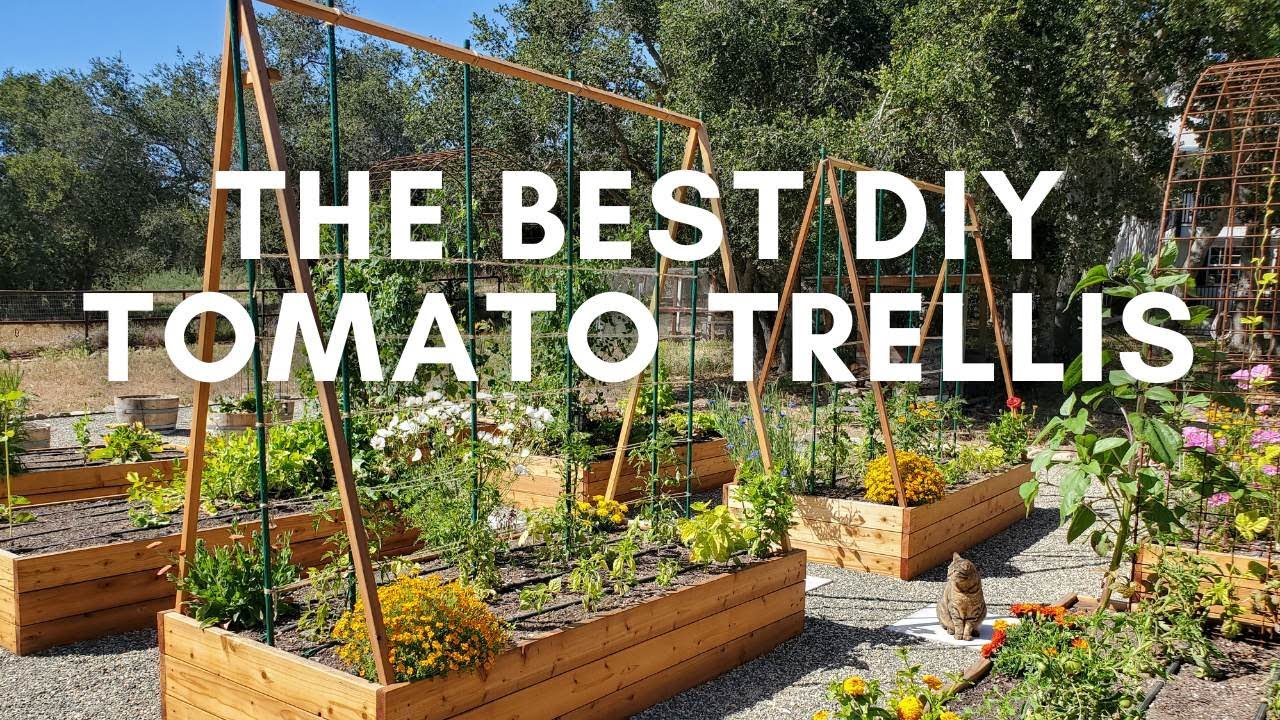
Credit: www.youtube.com
Types Of Garden Stakes
Tomato plants thrive with the right support. Bamboo stakes offer a natural and sturdy option. Metal stakes provide durability and are reusable. Wooden stakes blend seamlessly into garden aesthetics while providing solid support. Choose based on your garden’s needs and climate for the best results.When growing tomatoes, choosing the right garden stake is crucial for supporting your plants. Different types of stakes offer various benefits, so understanding your options will help you make the best choice for your garden. Let’s look at some popular types of garden stakes and see which might suit your tomatoes best.
Wooden Stakes
Wooden stakes are a classic choice for many gardeners. They are affordable and easy to find at most garden centers. You can quickly cut them to the desired height, making them versatile for different tomato varieties. However, they may not last as long as other materials due to weather exposure. Have you considered how frequent replacements might impact your gardening routine?
Metal Stakes
Metal stakes offer durability and strength, perfect for larger tomato plants. They can withstand harsh weather, ensuring your plants stay upright throughout the growing season. These stakes may be more expensive upfront, but their long lifespan can make them a wise investment. Think about how often you want to replace stakes before deciding if metal is right for you.
Plastic Stakes
Plastic stakes provide a lightweight and rust-free option for your garden. They’re easy to handle and often come in bright colors, which can add a fun touch to your garden. While they might not be as strong as metal, they are resistant to rot and insects, making them a reliable choice for smaller tomato varieties. Could the aesthetics and convenience of plastic stakes enhance your gardening experience? Choosing the right stake for your tomatoes can greatly impact your garden’s success. Assess your specific needs and conditions to select the best option. Your tomatoes will thank you with a bountiful harvest!
Choosing The Right Height
Choosing the right height for your garden stakes is crucial for tomato plant success. A well-selected stake supports your plants, helping them thrive and produce juicy tomatoes. But how do you determine the perfect height? Let’s break it down.
Determining Plant Size
Start by assessing the size of your tomato plants. Are they dwarf varieties or towering indeterminates? Knowing this helps you pick stakes that match their potential growth. Taller plants need taller stakes, possibly around six to eight feet.
If your tomatoes are smaller, such as patio or bush types, aim for shorter stakes. A three to five-foot stake might be ideal. Your plants will feel secure without being overwhelmed.
Considering Growth Patterns
Tomato growth patterns vary significantly. Indeterminate tomatoes grow continuously, reaching impressive heights. Determinate tomatoes stop growing once they set fruit and are usually more compact.
For indeterminate varieties, choose taller stakes. They need consistent support as they climb and produce fruit all season. Determinate varieties can settle for shorter stakes, focusing on supporting fruit-laden branches.
Think about how your tomatoes grow. Do they spread out or shoot upwards quickly? This insight will guide you in selecting the best stake height. If your tomatoes tend to bush out, consider adding horizontal support for sprawling branches.
Now, imagine your tomato plants towering and thriving with the perfect stakes. Does the thought excite you? Choosing the right height could be the secret ingredient in your gardening success story.
Installation Tips
Proper installation of garden stakes ensures healthy tomato growth. It supports the plants during their development stages. This guide offers practical tips to set up stakes efficiently.
Placement Strategies
Choose a sunny spot with well-drained soil. Space the stakes evenly to allow plant growth. Avoid overcrowding to prevent pest issues. Consider wind direction to protect plants from damage.
Securing The Stakes
Firmly push stakes into the ground. Ensure they reach at least 8 inches deep. Use a mallet for harder soils. Check stability by gently shaking each stake. Tie tomato plants loosely to avoid damage. Use soft materials like cloth strips or twine.
Benefits Of Using Stakes
Tomato plants are a favorite in many gardens, but they can often become unruly without proper support. Using stakes offers several benefits that can transform your gardening experience. Whether you’re a seasoned gardener or just starting out, understanding these benefits can help you achieve a more productive and healthier tomato crop.
Improving Plant Health
Stakes help keep your tomato plants upright, preventing them from sprawling on the ground. This reduces the risk of disease as it keeps the leaves and fruits away from soil-borne pathogens. A few summers ago, I noticed my tomatoes were wilting. After staking them, they perked up, and the yield improved significantly.
When plants are supported, they have better air circulation around their leaves. This prevents mold and mildew, which can thrive in stagnant air. Imagine having lush, disease-free plants that produce juicy tomatoes throughout the season.
Maximizing Space
Stakes allow you to grow more plants in a limited area. By training your tomatoes vertically, you free up ground space for other crops or flowers. Picture a small garden plot transformed into a thriving oasis of vegetables and blooms.
In tight urban spaces, staking is essential. It lets you utilize vertical space efficiently, turning small balconies or patios into productive gardens. Have you ever wondered how to double your garden’s output without expanding its size?
By organizing your plants with stakes, you create a neat and accessible layout. This makes harvesting easier and more enjoyable. No more searching through tangled vines to find ripe tomatoes!
Using stakes for your tomatoes is not just a practical choice; it’s a smart gardening strategy. You enhance plant health, maximize your space, and enjoy a bountiful harvest. Consider giving it a try and see the difference stakes can make in your garden.
Diy Vs. Pre-made Stakes
Choosing the right garden stakes for your tomatoes can be a real game of decisions. DIY stakes give you a chance to get creative. Pre-made stakes offer simplicity and convenience. Both have their pros and cons, which makes the choice interesting.
Cost Considerations
DIY stakes can be cheaper for those who like crafting. Using materials like bamboo or wood from old furniture can cut costs. You might already have these items at home. Pre-made stakes, on the other hand, might require a bit more investment. They are ready to use, saving time and effort. Quality and durability often justify the price.
Customization Options
DIY stakes offer endless customization possibilities. You can tailor them to fit your garden style. Paint them, cut them, or shape them as you wish. This personal touch can add charm to your garden. Pre-made stakes come in various shapes and sizes. They might lack the personal touch of DIY but offer consistency. Some brands offer adjustable features for different plant heights.
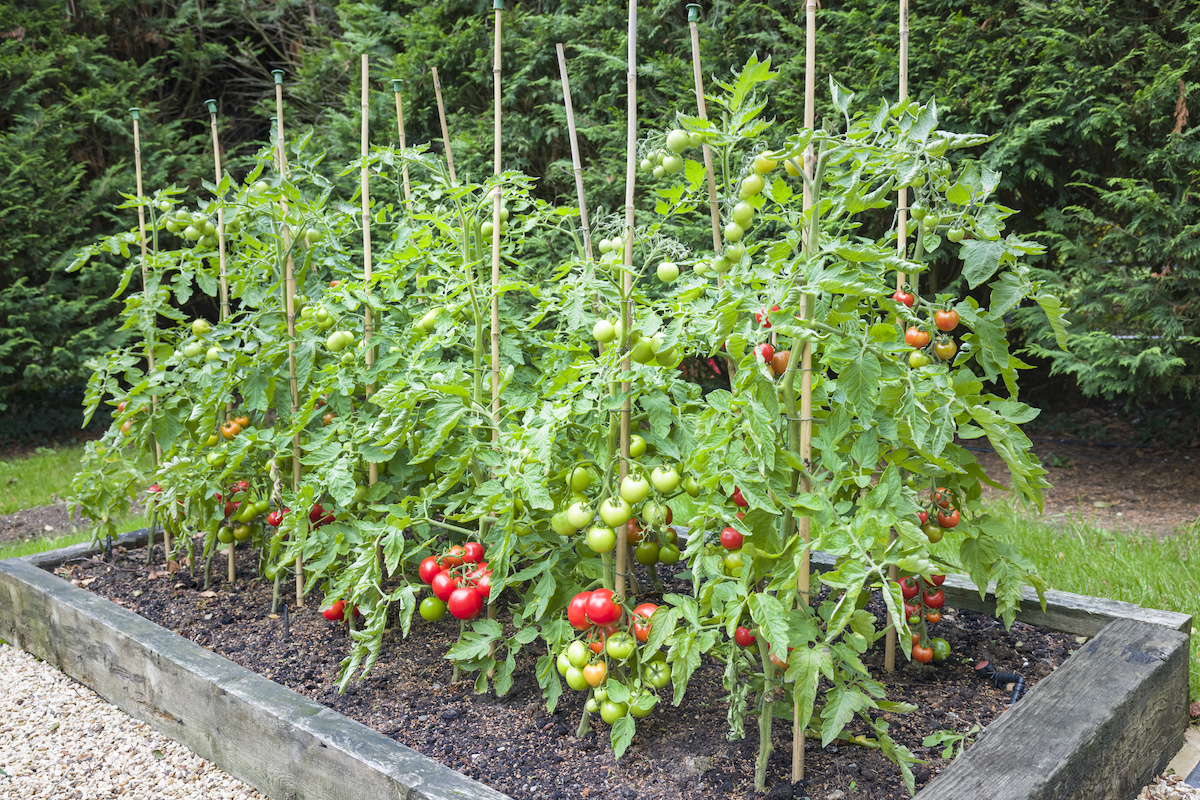
Credit: www.masterclass.com
Maintenance Of Stakes
Tomato plants need strong support for healthy growth. Garden stakes are essential. Regular maintenance keeps them effective and long-lasting. Proper care extends their life and ensures robust tomato plants. Let’s explore key maintenance practices for garden stakes.
Cleaning Techniques
Start by wiping stakes with a damp cloth to remove dirt. For stubborn grime, use a mild soap solution. Rinse thoroughly with clean water. Allow the stakes to dry completely before storing. Regular cleaning prevents mold and fungal growth. This helps maintain the stakes’ integrity.
Repair And Replacement
Inspect stakes for any signs of damage like cracks or splinters. Use sandpaper to smooth rough spots on wooden stakes. For metal stakes, check for rust and treat with rust remover if needed. Replace any stakes that are beyond repair. Keeping stakes in good condition supports plant health.
Eco-friendly Options
Gardening enthusiasts often seek eco-friendly options for supporting their tomato plants. Sustainable garden stakes not only benefit the environment but also enhance the health of your garden. Choosing eco-friendly stakes can help reduce waste and promote sustainable gardening practices.
Sustainable Materials
Bamboo is a popular sustainable material for garden stakes. It grows quickly and requires few resources. Bamboo stakes are sturdy and biodegradable, making them an excellent choice. Another sustainable option is wood from responsibly managed forests. These wooden stakes are strong and blend naturally into garden landscapes. For a long-lasting solution, consider metal stakes made from recycled materials. They are durable and can be reused for many seasons.
Recycling Old Stakes
Recycling old garden stakes can minimize waste and save money. Wooden stakes can be sanded and treated for reuse. This extends their lifespan and maintains their strength. Metal stakes can often be reshaped or repurposed for different uses. Even damaged stakes can find new life. Cut them into smaller pieces for plant markers or other garden projects. Recycling stakes reduces environmental impact and encourages creative solutions.
Common Mistakes
Tomato plants thrive with proper care and support. Garden stakes play a crucial role in their growth. Yet, common mistakes often hinder successful yields. Understanding these pitfalls ensures your tomatoes flourish.
Overcrowding Plants
Many gardeners pack too many plants into small spaces. This limits air circulation around the plants. Poor airflow invites diseases, impacting plant health. Give each tomato plant ample space to breathe and grow. Adequate spacing reduces competition for nutrients and sunlight.
Ignoring Weather Conditions
Weather affects tomato plant stability. Strong winds can topple unsupported plants. Heavy rain may cause soil erosion, exposing roots. Use sturdy garden stakes to brace plants against wind and rain. Choose stakes that endure your local climate. Regularly check and adjust stakes for plant growth and weather changes.

Credit: homesteadandchill.com
Frequently Asked Questions
What Is The Best Stake For Tomatoes?
The best stake for tomatoes is a sturdy, 6-8 feet tall wooden or metal stake. Secure the plant with soft ties as it grows. This method provides excellent support, prevents disease, and maximizes sun exposure. Choose stakes that are weather-resistant for longevity.
How Tall Should Tomato Stakes Be?
Tomato stakes should be 4 to 6 feet tall. Ensure they are sturdy enough to support the plant’s growth. Proper staking helps prevent damage and improves air circulation. Choose stakes made of wood or metal for durability. Securely tie the plant to the stake to promote healthy development.
Is It Better To Use Tomato Cages Or Stakes?
Tomato cages offer better support for bushy varieties, while stakes work well for tall, vine-like tomatoes. Cages are easier to set up and require less maintenance. Stakes save space and improve air circulation. Choose based on your tomato variety and garden space needs.
What Is The Best Thing To Tie Tomato Plants Up With?
Use soft garden twine, cloth strips, or Velcro plant ties for tomato support. They are gentle and won’t damage stems. Choose materials that allow easy adjustments as the plant grows. Ensure they provide strong support without cutting into the plant, promoting healthy growth and fruit production.
Conclusion
Choosing the right garden stakes supports your tomatoes effectively. Strong stakes keep plants upright and healthy. Consider materials like bamboo or metal for durability. Wooden stakes offer a natural look. Always ensure stakes are tall enough for growth. Proper spacing helps your tomatoes thrive.
Easy to install and adjust. Remember, sturdy support means better yields. Invest in quality stakes for a successful tomato harvest. Your garden deserves the best care. Happy gardening and enjoy the fruits of your labor!