Using garden soil in pots might seem convenient, but it comes with risks. Garden soil often lacks the structure and nutrients potted plants need. It can hold too much water, leading to root rot. Additionally, garden soil may contain pests or diseases harmful to plants.
Pots require a special mix that supports healthy growth. This mix should be light and airy, allowing roots to breathe. Choosing the right soil can make a big difference. It helps plants thrive and reduces problems. Understanding the differences between garden and potting soil is crucial. This knowledge ensures your potted plants stay healthy and vibrant. Let’s explore more about why garden soil isn’t the best choice.
Credit: earthbox.com
Garden Soil Basics
Garden soil is rich and diverse, making it a gardener’s ally. It nurtures plants with essential nutrients, allowing them to thrive. But can garden soil be used for potted plants? Understanding its basic properties helps to make informed decisions. Knowing the components and variations of garden soil can guide effective gardening practices.
Components Of Garden Soil
Garden soil contains minerals, organic matter, and microorganisms. Minerals like sand, silt, and clay form its backbone. Sand provides drainage, silt adds texture, and clay holds moisture. Organic matter includes decomposed plant material. This organic matter enriches the soil, supplying nutrients. Microorganisms break down organic matter, supporting plant growth. Each component plays a vital role in maintaining healthy soil.
Natural Soil Variations
Not all garden soil is the same. Soil can vary based on location and climate. In some areas, soil is sandy and drains quickly. Other regions have clay-heavy soil, retaining water longer. Soil acidity or alkalinity also varies naturally. These variations affect plant health and growth. Understanding local soil characteristics helps gardeners choose suitable plants.
Credit: rosysoil.com
Differences In Potting Soil
When you think about gardening, the soil in your backyard might seem perfect for your potted plants. But have you ever wondered why those bags of potting soil are so popular? Understanding the differences in potting soil is crucial for nurturing healthy potted plants.
Characteristics Of Potting Soil
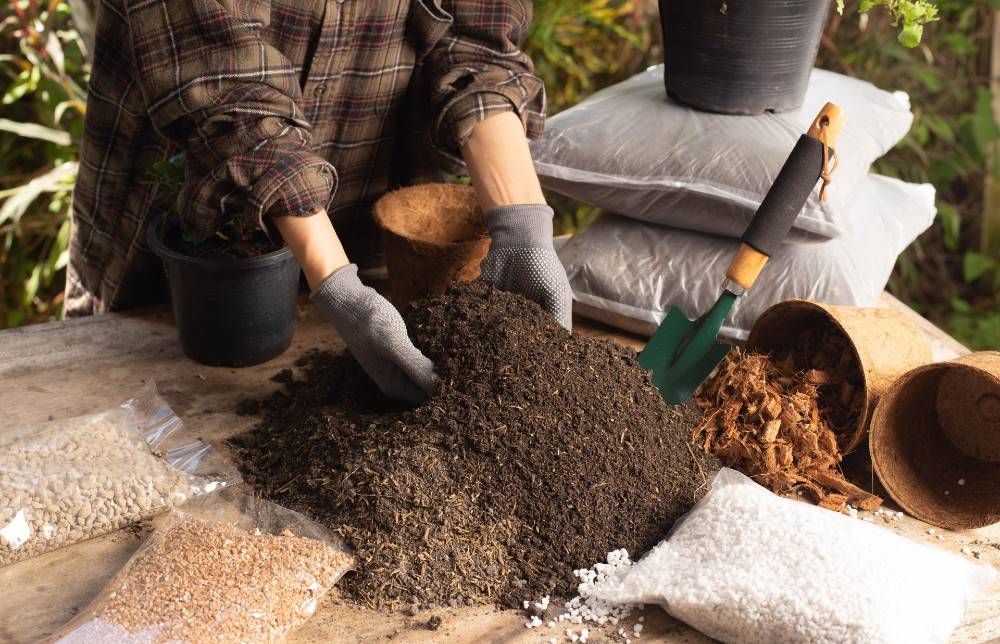
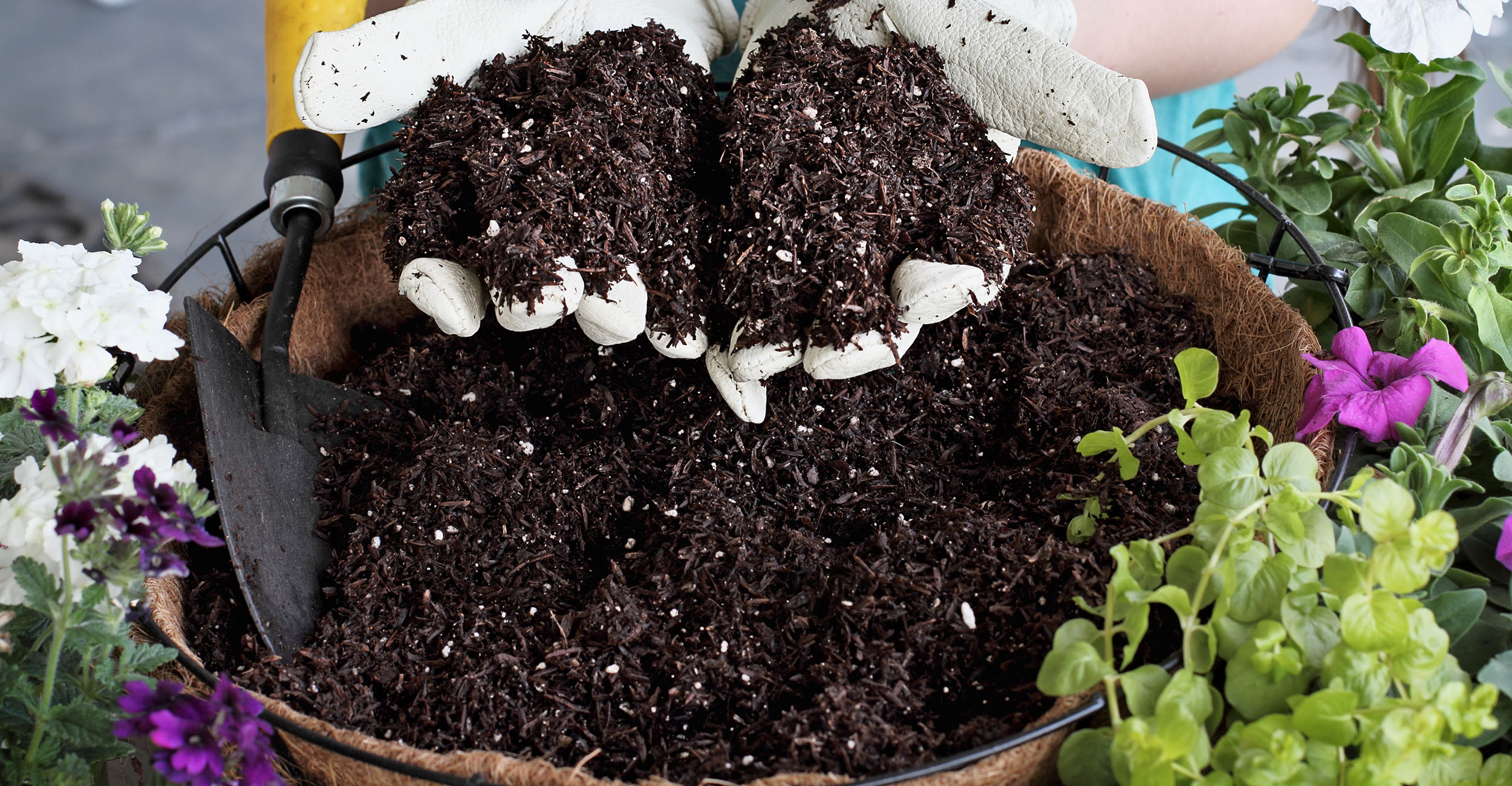
Potting soil is designed to be lightweight and fluffy. This helps plants’ roots breathe and grow easily. Unlike garden soil, it often includes ingredients like peat moss, perlite, and vermiculite.
These components improve drainage, preventing water from pooling around the roots. They also ensure that nutrients are readily available to your plants. Imagine your plants struggling in compacted garden soil; potting soil gives them room to thrive.
Why Potting Soil Is Different
Potting soil is formulated specifically for containers. It accommodates the unique needs of plants grown in pots. The ingredients are mixed to offer optimal water retention and drainage.
Garden soil can be too dense for pots, leading to poor root development. While garden soil might seem convenient, potting soil eliminates guesswork. Have you ever noticed a plant wilting despite regular watering? It might be the soil holding too much water.
Potting soil is sterile, reducing the risk of pests and diseases. This is crucial for indoor plants. You might have experienced pests in your garden soil; potting soil reduces such surprises.
Consider what your plants need to thrive. Would you rather risk using garden soil or ensure success with potting soil? Your choice in soil can make all the difference in your plant’s health.
Using Garden Soil In Pots
Have you ever wondered if garden soil can be used for potted plants? It’s a question many gardeners grapple with when looking to repurpose what they already have. Using garden soil in pots might seem like a straightforward solution, but there’s more to it than meets the eye. Before you scoop up soil from your backyard and fill your pots, it’s essential to weigh the pros and cons. Let’s dive into the details and see what this approach entails.
Pros Of Using Garden Soil
One of the biggest advantages of using garden soil is cost-effectiveness. If you have a garden, you already have a readily available resource that doesn’t require you to spend extra money on commercial potting mixes. This can save you a significant amount if you’re planning to fill several pots.
Garden soil is also rich in natural nutrients. Unlike some commercial mixes, garden soil can contain organic matter that benefits plant growth. You might notice your plants thriving with the abundance of minerals present in garden soil.
Another benefit is sustainability. By using garden soil, you’re reducing waste and minimizing the need for plastic packaging that often comes with store-bought potting mixes. Every time you reuse garden soil, you’re taking a small step towards a more eco-friendly gardening practice.
Cons And Challenges
One major challenge with using garden soil in pots is its density. Garden soil tends to be heavy and can compact easily, which might suffocate plant roots and hinder growth. It’s not as aerated as potting soil, and this can lead to drainage issues.
Garden soil can also harbor pests and diseases. If your backyard soil has had previous plant infections or pest invasions, these can transfer to your potted plants. This could lead to unexpected problems that affect plant health.
There’s also the issue of inconsistency. Garden soil varies greatly depending on location, season, and prior use. What works well for your garden might not be suitable for your pots. Have you ever tried using garden soil in pots and experienced these issues?
If you’re considering using garden soil for your potted plants, weigh these pros and cons carefully. You might find that mixing garden soil with potting soil gives you the best of both worlds. How do you plan to optimize your gardening practice?
Improving Garden Soil For Pots
Garden soil can be used for potted plants, but it needs improvement first. It often lacks proper drainage and nutrients. Mixing it with compost, perlite, or sand can enhance its quality for pots.Improving garden soil for pots can transform your potted plants from surviving to thriving. Many people wonder if they can just scoop some garden soil into a pot and call it a day. While it’s tempting, garden soil often needs a bit of tweaking to meet the needs of potted plants. Let’s dive into how you can make garden soil work for your container garden. ###
Amending Soil For Containers
Garden soil is usually too dense for pots. It can lead to poor drainage and root rot. To fix this, mix garden soil with lightweight materials like perlite or vermiculite. A good rule of thumb is to combine one part garden soil with one part perlite and one part peat moss or coconut coir. This blend improves aeration and ensures your plant roots have enough space to breathe. Have you ever noticed your potted plants looking sad after heavy rain? This mix can prevent that by allowing excess water to escape easily. ###
Balancing Nutrients
Garden soil might not have all the nutrients potted plants need. Potted plants rely solely on the soil in their container for nourishment. Start by adding organic matter like compost or well-rotted manure to boost nutrient content. This simple step can make a big difference in plant growth and health. Consider using a balanced, slow-release fertilizer to ensure your plants get a steady supply of essential nutrients. It’s like giving your plants a little buffet to feast on over time, rather than a single large meal. Ever had a plant that seemed to grow at a snail’s pace? Checking the nutrient balance in your soil could be the key to speeding things up. Improving garden soil for pots is all about making small adjustments that lead to big results. Have you tried any of these tips before, or do you have other tricks up your sleeve? Share your experiences in the comments!
Drainage Considerations
Garden soil may seem like a convenient choice for potted plants. Yet, it often lacks the essential drainage needed for healthy growth. Proper drainage prevents waterlogging, which can suffocate roots and lead to plant diseases. Understanding drainage considerations is crucial for thriving potted plants.
Importance Of Proper Drainage
Drainage is vital for plant health. It ensures excess water flows away from roots. Without it, roots sit in soggy soil, risking rot and decay. Good drainage helps roots access oxygen, essential for growth. Healthy roots mean vibrant plants. Neglecting drainage can stunt growth and impact bloom quality.
How To Enhance Drainage
Improving soil drainage is simple. Start by mixing garden soil with coarse sand or perlite. These materials increase soil porosity, allowing water to pass through. Use pots with drainage holes. This lets excess water escape, preventing water buildup. Elevate pots slightly to improve air circulation and drainage. Regularly check soil moisture to avoid overwatering.
Potential Plant Health Issues
Garden soil often harbors pests and diseases that can harm potted plants. It may lack essential nutrients and proper drainage. Using it in pots can lead to poor plant health and growth issues.When considering whether to use garden soil for potted plants, it’s crucial to recognize potential plant health issues. Garden soil, despite being rich and nutrient-dense, can sometimes carry hidden challenges. These challenges might affect the well-being of your cherished potted plants.
Risks Of Disease Transmission
Garden soil often harbors pathogens, fungi, and pests that can hitch a ride into your home. These unwanted guests might spread diseases to your potted plants. Imagine nurturing a thriving houseplant, only to watch it wither due to an unseen enemy lurking in the soil. Have you ever noticed spots on leaves or wilting stems? These could be signs of disease transmitted from garden soil. Regularly inspecting your plants can help catch these issues early. It’s like being a detective in your own plant world, always on the lookout for clues.
Impact On Plant Growth
The texture and composition of garden soil can impact plant growth in pots. Garden soil is often dense and can compact easily, restricting root growth. This leads to poor drainage and can suffocate roots, hindering your plant’s development. Have you tried to water a potted plant only to find the water sitting on top, refusing to drain? This scenario often happens with garden soil. Opting for a lighter potting mix can improve drainage, allowing roots to spread and flourish. Using garden soil can also affect nutrient availability. Essential nutrients might be locked in the dense soil, out of reach for your plants. Consider whether the trade-off of using garden soil is worth the potential impact on growth. Ultimately, you want your potted plants to thrive, not just survive. Evaluate the potential health risks and growth impacts garden soil poses to your beloved green companions. Are you ready to take the plunge, or will you opt for a safer, tailored potting mix?
Alternatives To Garden Soil
Garden soil is often too dense for potted plants, leading to poor drainage. Consider alternatives like potting mix, which is lighter and promotes healthy root growth. These options provide better aeration and moisture retention for container gardening.Garden soil is not ideal for potted plants. It often lacks the right nutrients and texture. Potted plants need well-draining soil. This ensures proper air circulation and root growth. Fortunately, there are better alternatives. These options provide the perfect environment for potted plants. Let’s explore two popular choices: commercial potting mixes and DIY soil mixtures.
Commercial Potting Mixes
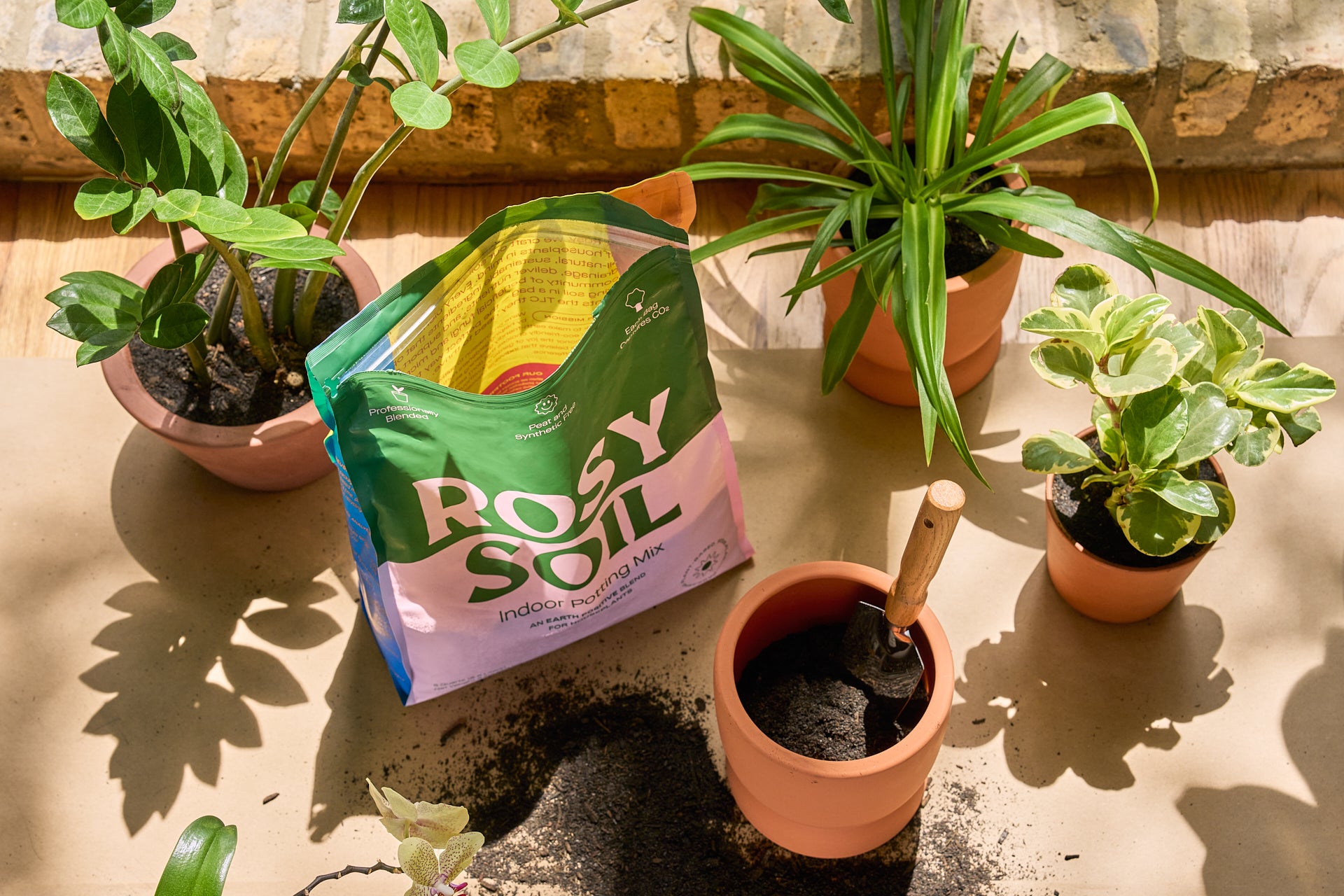
Commercial potting mixes offer convenience and reliability. They are specifically formulated for container gardening. These mixes contain a balanced blend of ingredients. Perlite, vermiculite, and peat moss are common components. Each component improves drainage and aeration. Some mixes also include slow-release fertilizers. This ensures plants receive nutrients over time. Commercial potting mixes are widely available. They suit a variety of plant types, from flowers to vegetables.
Diy Soil Mixtures
DIY soil mixtures allow for customization. You can tailor the mix to your plant’s needs. Start with a base of peat moss or coconut coir. These materials retain moisture without becoming waterlogged. Add perlite or sand for better drainage. Compost enriches the mix with organic matter. It provides essential nutrients for plant growth. Adjust the ratios based on plant requirements. This ensures your plants thrive in their potted environment.
Credit: extension.okstate.edu
Best Practices For Container Gardening
Container gardening opens up a world of possibilities for plant enthusiasts. It allows for creativity and flexibility in small spaces. Choosing the right soil and containers is crucial for healthy plants. Learn the best practices to make your container garden thrive.
Choosing The Right Containers
Containers come in various materials and sizes. Choose materials that suit your needs. Plastic containers are lightweight and affordable. Ceramic and clay offer aesthetics but are heavier. Ensure containers have drainage holes. Proper drainage prevents root rot.
Consider the size of the container. Larger pots hold more soil and water. Smaller pots are suitable for herbs or smaller plants. Match the container size to the plant’s growth. This ensures proper root development. A snug fit can hinder growth.
Maintaining Healthy Soil
Garden soil alone is not ideal for pots. It may compact and restrict roots. Mix garden soil with potting mix for better results. Potting mix provides aeration and nutrients. It keeps moisture balanced and supports plant health.
Regularly check soil moisture. Overwatering is a common mistake. Use your finger to test soil dryness. Water when the top inch feels dry. Fertilize occasionally to replenish nutrients. Healthy soil leads to robust growth and vibrant plants.
Frequently Asked Questions
Can You Use Garden Soil Mix In Pots?
Garden soil mix is not ideal for pots. It can compact, hinder drainage, and limit root growth. Use potting mix for containers. Potting mix ensures proper aeration, moisture retention, and nutrient supply. Ensure healthy plant growth by choosing the right soil mix for pots.
What Happens If I Use Garden Soil For Potted Plants?
Garden soil can compact in pots, reducing drainage and aeration. This may lead to root rot. It can also contain pests and diseases. Use potting mix for better results.
Can I Use Gardening Soil Instead Of Potting Soil?
Gardening soil is not ideal for pots. Potting soil is lighter and drains better. It provides essential nutrients for container plants. Using gardening soil can compact roots, causing poor growth. Choose potting soil for healthier plants in containers.
How Do You Turn Garden Soil Into Potting Soil?
Mix equal parts of garden soil, peat moss, and perlite for drainage. Remove debris and break clumps. Sterilize by baking at 180°F for 30 minutes to kill pests. Test pH levels; adjust with lime or sulfur if necessary. Store in a dry, airtight container.
Conclusion
Potted plants need special soil for healthy growth. Garden soil often lacks nutrients and proper drainage. It can compact easily, harming roots. Buying potting mix ensures plants get the support they need. It’s designed to hold moisture and let air circulate.
This helps roots breathe and stay strong. While tempting, using garden soil may risk your plant’s health. Choose wisely to nurture your green friends. Happy gardening starts with smart choices. So, invest in quality potting soil. Your plants will thank you with vibrant blooms and lush leaves.
Keep them thriving in their cozy pots!