
Gardening offers joy and fresh produce, but soil care is crucial. Many assume annual soil replacement is essential for thriving plants. This isn’t necessarily true. Soil can last for years with proper care. Instead of replacing, focus on enriching soil through compost and fertilizers.
This enhances nutrients and structure. Consider rotating crops and mulching to maintain soil health. These practices prevent nutrient depletion and improve soil life. Understanding soil needs helps achieve a vibrant garden. It’s about working with what you have and nurturing it. So, don’t stress about yearly replacement. Learn the best ways to keep your soil fertile and your garden flourishing.
Garden Soil Basics
Garden soil is the foundation of any thriving garden. It provides nutrients and support for plants to grow strong. Knowing its basics is essential for any gardener. Understanding what soil is composed of can help in making informed decisions. This knowledge can guide you in nurturing your garden for better results.
Components Of Garden Soil
Garden soil consists of several key components. Sand, silt, and clay form its basic structure. Each has a unique role and affects soil’s characteristics. Sand offers good drainage but lacks nutrients. Silt holds moisture and nutrients, improving soil fertility. Clay retains water and nutrients but may hinder drainage. Organic matter is another vital part. It includes decomposed plants and animal materials. This matter enriches soil, supplying essential nutrients for plants.
Role Of Soil In Plant Growth
Soil plays a crucial role in plant growth. It anchors plants, keeping them stable. Soil supplies water and nutrients, essential for plant development. Healthy soil promotes robust root systems. This enhances nutrient absorption and overall plant health. Soil also supports beneficial microbes. These microbes help in breaking down organic matter. They release nutrients that plants can absorb. Thus, healthy soil is vital for vibrant gardens.
Annual Soil Replacement
When spring arrives, many gardeners face the decision of whether to replace their garden soil. While some swear by an annual overhaul, others prefer to amend their existing soil. The choice can impact your garden’s health and productivity. So, should you really replace garden soil every year?
Pros Of Replacing Soil
Replacing soil can provide a fresh start for your plants. New soil is often rich in nutrients, which can lead to healthier growth.
Annual replacement can help eradicate pests and diseases. If your garden has been struggling with infections, new soil might be just what you need.
It offers the chance to correct soil texture issues. If your current soil is too sandy or clay-like, a fresh batch can improve drainage and aeration.
Cons Of Replacing Soil
Replacing soil is expensive. Buying new soil every year can add up quickly, especially for larger gardens.
It’s labor-intensive. Removing old soil and adding new takes time and effort, which can be challenging to manage.
Replacing soil can disrupt beneficial microorganisms. Existing soil may have a thriving ecosystem that supports plant health, which new soil might not.
Consider the balance between the pros and cons. Could amending your soil be a more practical solution for your garden?
Think about your own experiences. Have you noticed significant improvements when starting fresh, or have amendments been just as effective?
Your garden is unique. Understanding its specific needs will guide you in making the best choice for soil management each year.
Soil Health Indicators
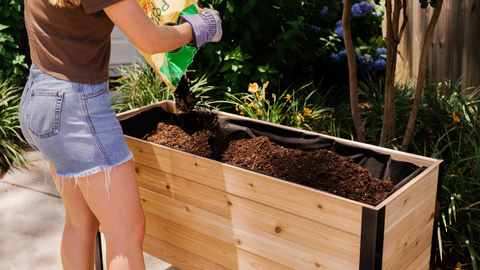
Understanding soil health indicators is vital for a thriving garden. These indicators reveal the condition of your garden soil. They help decide if you need to replace it annually. Monitoring these signs ensures your plants have the nutrients they need to grow well.
Signs Of Depleted Soil
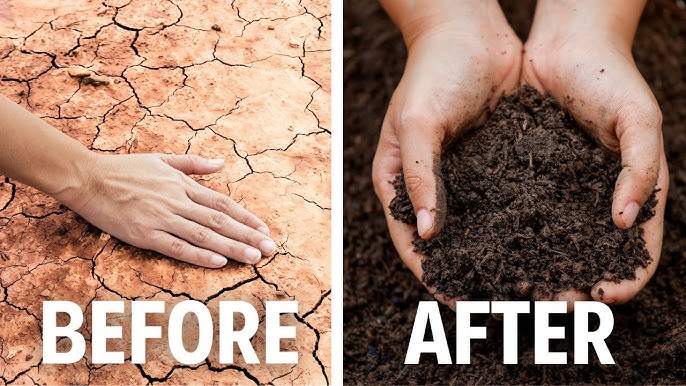
Depleted soil often shows visible signs. Yellowing leaves might indicate a lack of nutrients. Plants may grow slowly or become stunted. This can suggest poor soil health. Crusting on the soil surface is another sign. It can prevent water from penetrating deeply.
Weeds growing more than your plants? That’s a red flag. Weeds can thrive in nutrient-poor conditions. This suggests the soil is depleted. Soil that is hard and compacted is also problematic. It makes it difficult for roots to spread. These signs indicate your soil might need replenishing.
Assessing Soil Fertility
Assessing soil fertility involves simple tests. Start with a soil test kit from a garden store. It measures pH levels and nutrient content. Balanced pH ensures plants absorb nutrients efficiently. Check for macronutrients like nitrogen, phosphorus, and potassium.
Observe the soil’s texture. Sandy soil drains quickly but lacks nutrients. Clay soil holds water but can suffocate roots. Loamy soil is ideal, combining drainage and nutrients. Healthy soil should smell earthy, not sour or metallic. This indicates good microbial activity.
By evaluating these factors, you can maintain fertile soil. This ensures a bountiful garden each year. Regular checks keep your garden flourishing.
Credit: cedarplanters.com
Alternatives To Soil Replacement
Replacing garden soil yearly is not mandatory for a thriving garden. There are effective alternatives that can enhance your soil without complete replacement. These methods can save time and money while improving plant health. Let’s explore some practical options.
Soil Amendments
Soil amendments enrich and improve existing garden soil. They add vital nutrients and enhance soil structure. Organic matter like peat moss or coconut coir retains moisture well. Sand can improve drainage in clay-heavy soils. Gypsum helps break down clay and reduce compaction. Adding amendments can create a balanced environment for plant growth. They are easily available and simple to use.
Composting Benefits
Composting is a natural and sustainable way to enrich soil. It recycles organic waste into nutrient-rich material. Compost improves soil texture and increases nutrient content. It also attracts beneficial organisms like earthworms. These organisms aerate the soil and enhance fertility. Composting is easy and reduces household waste. Regular application can transform your garden soil without needing replacement.
Improving Soil Structure
Improving soil structure is essential for a thriving garden. Healthy soil supports plant growth and increases nutrient retention. It also enhances water absorption and helps prevent erosion. By focusing on soil structure, gardeners can maintain productive beds without yearly replacement. Let’s explore some effective ways to improve soil structure.
Mulching Techniques
Mulching enriches soil by adding organic matter. It protects roots from extreme temperatures. Mulch suppresses weed growth and retains moisture. Straw, bark, and leaves make excellent mulch. Spread mulch evenly over your garden beds. A layer of 2 to 3 inches is ideal. This simple technique boosts soil health and reduces compaction.
Aeration Methods
Aeration improves soil structure by allowing air circulation. It helps roots access oxygen and nutrients. Simple tools can be used for aeration. A garden fork or a hand aerator works well. Push the tool into the soil to create small holes. These holes enhance water drainage and root penetration. Regular aeration keeps soil loose and fertile.

Credit: www.instagram.com
Nutrient Management
Replacing garden soil every year is unnecessary. Improving soil health through nutrient management can be more effective. Adding compost and organic matter enriches the soil, promoting healthy plant growth.Managing the nutrients in your garden soil is crucial for maintaining healthy plant growth year after year. Over time, soil can lose its essential nutrients, leading to weaker plants and reduced yields. The question arises: how can you effectively manage these nutrients without replacing your garden soil annually? Let’s dive into some practical strategies.
Organic Fertilizers
Organic fertilizers are a wonderful way to replenish soil nutrients naturally. They provide a slow-release source of essential elements like nitrogen, phosphorus, and potassium. Using compost is a great start. It’s easy to make from kitchen scraps and garden waste, and it enriches your soil with organic matter. Consider adding aged manure if you have access to it. It’s rich in nutrients and can significantly improve soil texture. Have you ever tried using bone meal or blood meal? These are great organic options that cater specifically to phosphorus and nitrogen needs.
Synthetic Fertilizers
Synthetic fertilizers offer a quick fix for nutrient-deficient soils. They are designed to deliver nutrients directly to the plants, often in more concentrated forms. If you’ve ever needed a rapid boost for your plants, you know the value of these fertilizers. They come in various formulations, allowing you to target specific nutrient deficiencies. However, be cautious about overuse. Excessive application can lead to nutrient runoff, harming local waterways and reducing soil health over time. Wondering how to balance the two types of fertilizers in your garden? A combination of both can create a robust nutrient management plan, ensuring your plants thrive without the need for complete soil replacement each year. What strategies have you tried in your garden to maintain soil health? Share your experiences and let’s learn together!
Environmental Impact
Replacing garden soil annually isn’t always necessary. Healthy soil can be maintained with organic matter and proper care. Soil health impacts plant growth and the environment. Regular composting and mulching enrich the soil, reducing the need for replacement and minimizing environmental impact.When thinking about whether to replace garden soil annually, it’s essential to consider the environmental impact. Gardeners often overlook how frequent soil replacement can affect our planet. By understanding these impacts, you can make more sustainable choices that benefit both your garden and the environment.
Resource Conservation
Replacing garden soil every year can significantly strain natural resources. Soil is not just dirt; it’s a complex ecosystem that takes time to develop. Every time you decide to replace it, more resources are extracted to produce new soil. Consider conserving these resources by enriching your existing soil with compost or organic matter. This not only saves resources but also enhances your garden’s health. Imagine the joy of seeing your plants thrive without depleting our planet’s limited resources.
Waste Reduction
Think about the waste generated by replacing garden soil annually. Old soil often ends up in landfills, contributing to unnecessary waste. This disposal process not only wastes what could still be valuable but also adds to the growing problem of landfill overflow. By reusing and improving your current soil, you can dramatically reduce waste. For instance, try using kitchen scraps or yard waste to create compost. It’s an easy, effective way to enrich your soil naturally while cutting down on waste. Why not challenge yourself to see how much you can reduce waste in your gardening practices? It’s a win-win for your garden and the planet.
Credit: m.youtube.com
Seasonal Soil Care
Seasonal soil care is essential for healthy garden growth. Maintaining your soil across different seasons can improve plant health. Each season presents unique challenges and opportunities. With proper care, you can enhance soil quality year-round. Let’s explore how to prepare soil for winter and maintain it in spring.
Preparing Soil For Winter
Winter can be harsh on garden soil. Start by clearing dead plants and debris. This prevents disease and pests. Add a layer of mulch to protect soil from frost. Mulch insulates and retains moisture. It also prevents erosion during wet winter months. Consider planting cover crops like clover or rye. These enrich soil and prevent nutrient loss. Cover crops also improve soil structure and suppress weeds.
Spring Soil Maintenance
Spring is the season of renewal. Begin by removing winter mulch. This allows sunlight to warm the soil. Test soil pH and nutrients. Amend as needed for balanced growth. Aerate soil to enhance air and water flow. Use a garden fork or tiller for aeration. Add compost to enrich soil with organic matter. Compost provides essential nutrients and improves soil texture. Consider rotating crops to prevent soil depletion.
Frequently Asked Questions
Should I Add New Soil To My Garden Every Year?
Adding new soil annually improves garden health. Fresh soil replenishes nutrients and enhances drainage. Evaluate your garden’s needs; not all gardens require new soil yearly. Consider soil tests to determine necessity. Healthy, nutrient-rich soil supports strong plant growth. Regularly amend with compost or organic matter for optimal results.
Can I Use The Same Garden Soil From Last Year?
Yes, you can reuse last year’s garden soil. Refresh it by adding compost or organic matter. This improves soil nutrients and structure. Check for pests or diseases before reuse. Regularly rotate crops to prevent nutrient depletion. Rejuvenating soil ensures healthy plant growth and a thriving garden.
How Often Should Garden Soil Be Replaced?
Replace garden soil every 3-5 years for optimal plant health. Refresh annually with compost or organic matter. This practice improves soil fertility and structure. Regular soil testing helps identify nutrient deficiencies. Maintain healthy soil to support robust plant growth and prevent disease.
Do I Have To Change The Soil In My Plants Every Year?
You don’t need to change the soil every year. Refreshing the top layer or repotting every 2-3 years is beneficial. Regularly check for compacted soil or poor drainage, as these might require earlier soil change. Ensure plants receive nutrients through occasional fertilizing to maintain healthy growth.
Conclusion
Replacing garden soil annually isn’t always necessary. Assess your soil’s health first. Healthy soil supports plant growth. Consider soil testing for nutrient levels. Amendments might solve minor issues. Compost boosts soil quality naturally. Regular maintenance keeps soil fertile. Rotate crops to prevent nutrient depletion.
Mulching conserves moisture and enriches soil. Avoid chemical fertilizers if possible. Organic methods ensure long-term soil health. Healthy soil means thriving plants. Sustainable practices save time and resources. Observe your garden’s needs closely. Adapt your methods as necessary. Happy gardening leads to a lush, vibrant garden.
Keep learning and nurturing your soil.