To tackle this, finding effective grounding methods is key. Aphids, tiny insects, produce honeydew while feeding on plants. This sugary substance can lead to mold and pest infestations, harming your garden. Grounding aphid honeydew involves removing or neutralizing this sticky mess.
It’s important to understand why controlling honeydew matters. It helps prevent further damage to plants and keeps pests at bay. By addressing honeydew, you improve plant health and garden aesthetics. Whether you’re a seasoned gardener or a novice, learning the best ways to manage aphid honeydew can make your gardening experience smoother and more rewarding. Let’s explore practical solutions to keep your garden thriving and free from unwanted sticky troubles.
Aphid Honeydew Basics
Welcome to the fascinating world of aphid honeydew! You might be wondering what this sticky substance is and why it matters. Aphid honeydew plays a unique role in nature, and understanding its basics can change the way you view your garden.
What Is Aphid Honeydew?
Aphid honeydew is a sugary liquid produced by aphids as they feed on plant sap. Think of it as the aphids’ way of getting rid of excess sugar. As they suck on the plant juices, they excrete honeydew, leaving it on leaves and stems.
This substance is not just a sweet nuisance. It can lead to sooty mold, turning leaves black and affecting plant growth. Have you ever noticed sticky spots on your car parked under a tree? That’s aphid honeydew in action!
Importance In Ecosystem
Aphid honeydew is more than just a sticky mess; it’s a food source in the ecosystem. Ants, bees, and other insects thrive on its sugar-rich content. This symbiotic relationship helps keep the aphid population in check.
Ants, for example, are known to protect aphids from predators in exchange for honeydew. This mutual benefit can influence the dynamics of your garden. Did you know some birds are attracted to aphids and their honeydew? They help control aphid numbers naturally.
Understanding aphid honeydew’s role can help you make informed decisions. How can you leverage this knowledge to maintain a balanced garden? Consider encouraging natural aphid predators or even studying the fascinating interactions in your backyard.
Harvesting Techniques
Aphid honeydew is a valuable substance used in various applications. Knowing the best ways to harvest it can improve yield and quality. Different techniques suit different situations and preferences. Let’s explore two main methods for collecting aphid honeydew.
Natural Collection Methods
Nature provides simple ways to gather honeydew. First, observe aphid activity on plants. Honeydew accumulates on leaves and stems. This sticky substance can be collected directly from these surfaces. Use a gentle brush or cloth to remove honeydew. Early morning or late afternoon is ideal. Aphids are active, and honeydew is plentiful. Ensure plants are undisturbed to maintain aphid presence.
Another method is using natural predators. Ladybugs and lacewings consume aphids. They help increase honeydew production. Encourage these beneficial insects in your garden. They can boost aphid numbers and honeydew output. This approach is eco-friendly and supports biodiversity.
Using Equipment For Collection
For larger quantities, equipment can aid collection. A handheld vacuum is useful. It gently collects honeydew without harming plants. Adjust settings to a low suction level. This prevents damage to delicate surfaces. Regular cleaning of the vacuum is crucial. It ensures efficient honeydew collection.
Another option is a honeydew trap. Set traps beneath aphid-infested plants. These devices catch dripping honeydew efficiently. They are easy to install and maintain. Check traps frequently for optimal collection. This method is suitable for commercial harvesting. It provides a consistent honeydew supply.
Processing Aphid Honeydew
Aphid honeydew is a sweet, sticky substance produced by aphids. It is collected by farmers and processed to create a unique flavor. Processing aphid honeydew involves several steps to ensure it is pure and high quality. This process transforms raw honeydew into a valuable product.
Purification Steps
The purification process begins with filtering the honeydew. This removes impurities and unwanted particles. Next, the honeydew is gently heated. Heating helps to kill any bacteria present in the honeydew. After heating, it is cooled and stored. Proper storage ensures the honeydew retains its flavor.
Ensuring Quality
Quality assurance is vital for aphid honeydew production. It starts with regular checks for contamination. Consistent monitoring helps maintain product purity. The honeydew undergoes taste tests to ensure flavor quality. Only honeydew meeting strict standards is packaged for sale. This guarantees consumers receive the best product.

Credit: www.ign.com
Grounding Methods
Grounding aphid honeydew requires careful techniques to preserve its unique qualities. Choosing the right method can impact the end product’s flavor and texture. Below, we explore both traditional and modern grounding methods for this delicate substance.
Traditional Grinding Techniques
Historically, people relied on stone mortar and pestle. This technique is gentle and preserves the honeydew’s flavor. The rough surface of the stone helps grind the honeydew efficiently. It requires patience but results in a finely grounded product. Another traditional tool is the wooden grinder. It’s less common but effective for small batches. Wooden grinders offer a more delicate touch, ideal for preserving aroma.
Modern Innovations
Today, electric grinders offer speed and convenience. These devices handle larger quantities with ease. They ensure consistent texture, which is important for culinary uses. Some modern grinders come with adjustable settings. This feature allows you to control the coarseness of the grind. Another innovation is the cold grinding technique. It uses low temperatures to maintain flavor and nutrients. Cold grinding prevents heat damage, which can alter taste. This method is perfect for preserving natural sweetness and fragrance.
Tools And Equipment
Gathering aphid honeydew from the ground requires the right tools and equipment. Using the proper gear ensures efficiency and safety. Choosing quality tools can make the process easier. Proper maintenance extends the life of your equipment.
Essential Tools For Grounding
The most crucial tool is a sturdy collection container. It should be easy to carry and have a secure lid. A fine mesh strainer is also necessary. It helps separate debris from the honeydew. A small trowel or scoop is useful for gathering honeydew from the ground. Consider using gloves to protect your hands. Finally, a soft brush can help dislodge honeydew from surfaces.
Maintenance Tips
Regularly clean your tools to prevent residue buildup. Wash them with mild soap and water after each use. Dry them thoroughly to avoid rust or damage. Inspect your equipment for wear and replace any damaged items. Store your tools in a dry, safe place. This ensures they are ready for future use.
Credit: www.youtube.com
Utilizing Grounded Honeydew
Aphid honeydew, a sweet byproduct of aphids feeding on plant sap, often goes unnoticed. But when grounded, it transforms into a versatile ingredient. Whether you’re a foodie or a health enthusiast, understanding how to use grounded honeydew can open up new possibilities in your kitchen and wellness routine.
Culinary Uses
Grounded honeydew can be a delightful addition to your culinary arsenal. Imagine sprinkling it over your morning yogurt or oatmeal for a subtle sweetness. It can also serve as a sugar substitute in your baking endeavors, offering a unique flavor profile that complements pastries and desserts.
Have you tried using it in salad dressings? Its natural sweetness can balance out tangy vinaigrettes, creating a harmonious blend. You might even find that it pairs beautifully with grilled meats, adding a caramelized glaze. How will you experiment with grounded honeydew in your next dish?
Medicinal Benefits
Beyond its culinary uses, grounded honeydew may have health benefits worth exploring. Some enthusiasts believe it can aid digestion when consumed in moderation. Its natural sugars might provide a quick energy boost, ideal for busy mornings or after workouts.
Additionally, it’s thought to have antimicrobial properties. This could potentially support your immune system, adding another reason to include it in your diet. Have you ever considered the impact of natural ingredients on your well-being?
Grounded honeydew isn’t just a novelty; it could be a beneficial addition to your lifestyle. How will you harness its potential?
Challenges And Solutions
Dealing with aphid honeydew grounding can be challenging. These tiny insects produce honeydew that can affect plants and surfaces. Finding effective solutions requires understanding common issues first. This section explores both challenges and solutions.
Common Issues In Grounding
Aphids produce sticky honeydew. This substance attracts ants and other pests. It can cause mold growth on plants. Cleaning surfaces becomes difficult. The stickiness of honeydew makes removal hard. Plants may suffer from blocked sunlight. Photosynthesis gets hindered. Growth slows down.
Honeydew can also stain surfaces. Outdoor furniture and vehicles can get affected. The residue is stubborn. Regular cleaning methods may not work. These challenges require specific solutions.
Effective Solutions
To manage aphid honeydew, regular cleaning is vital. Use mild soap and water for surfaces. Gently wash plants to remove honeydew. Encourage natural predators like ladybugs. They help control aphid populations. Introduce beneficial insects in the garden.
For stubborn stains, try vinegar solutions. Mix vinegar and water. Apply to affected areas. Use soft cloths to wipe away residue. Keeping plants healthy is crucial. Strong plants resist aphid infestations better. Ensure proper watering and nutrition.
Consider using neem oil sprays. They deter aphids without harming plants. Consistent application is key. Monitor plants regularly for aphid presence. Early detection prevents honeydew buildup. These solutions address common issues effectively.

Credit: www.ign.com
Environmental Impact
Aphid honeydew can impact the environment in various ways. It affects plant health and biodiversity, and influences the ecosystem balance. Understanding the environmental impact of aphid honeydew helps in adopting sustainable practices. This ensures we protect our planet while harvesting this natural resource.
Sustainable Practices
Sustainable methods for collecting aphid honeydew are essential. Natural harvesting minimizes harm to plants and insects. Encourage the use of eco-friendly tools and techniques. This reduces the environmental footprint significantly. Promote organic farming practices that support biodiversity. These practices help maintain a healthy ecosystem.
Conservation Efforts
Conserving natural habitats is key. Protect areas where aphids thrive naturally. Ensure these environments remain undisturbed by human activities. Implement measures to safeguard the insects that produce honeydew. This supports the entire ecological community. Conservation efforts ensure the balance of nature is preserved.
Frequently Asked Questions
How To Get Aphid Honeydew Grounded Easily?
To easily ground aphid honeydew, mix it with water and blend until smooth. Strain the liquid to remove solids. Use a coffee grinder for finer texture if needed. Ensure equipment is clean to prevent contamination. This process yields a grounded consistency suitable for various uses.
How Rare Is Aphid Honeydew Grounded?
Aphid honeydew grounded is quite rare. It forms when aphid-secreted honeydew falls to the ground and crystallizes. This natural occurrence depends on specific environmental conditions and is not commonly harvested or found in large quantities. Its rarity makes it a unique and sought-after natural product.
Where Is The Best Place To Find Aphids In Grounded?
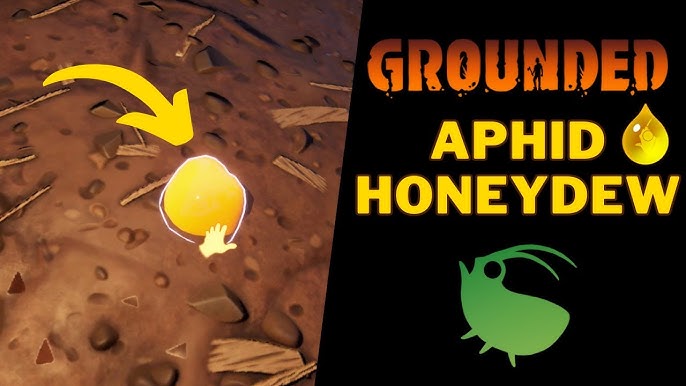
The best place to find aphids in Grounded is near the Oak Tree. They often appear on grass blades and clover. Explore early morning or late afternoon for higher chances. Aphids are a great source of food and resources for crafting in the game.
How To Get Aphid Honeydew Grounded Reddit?
Search Reddit using keywords like “aphid honeydew sources” or “buy aphid honeydew. ” Join gardening or entomology subreddits. Ask community members for recommendations or sellers. Engage in discussions to find reliable sources or alternatives. Always check seller reviews for quality assurance.
Conclusion
Aphid honeydew can be managed with the right approach. Start by identifying affected plants. Use water to rinse honeydew. Introduce natural predators like ladybugs. Consider insecticidal soap for severe cases. Regularly inspect plants for new infestations. Monitor conditions that favor aphids, like warm weather.
Maintain healthy plants to resist pests. Balance the ecosystem in your garden. Simple steps make a big difference. Enjoy cleaner, healthier plants. With patience, your garden can thrive again. Keep learning and adapting your methods. Your plants will thank you.
Stay vigilant and proactive. Happy gardening!