Curious about how to collect this sugary nectar easily? Aphids, tiny insects found on plants, secrete honeydew as they feed. This sticky substance can be a goldmine for those interested in natural gardening or attracting beneficial insects. While it might seem tricky to gather, there are straightforward methods to make the process simple.
Understanding the habits of aphids is key. Knowing where they thrive and how they produce honeydew helps in collecting it effectively. Whether you’re a gardener looking to create a balanced ecosystem or simply intrigued by nature’s wonders, discovering the easiest way to get aphid honeydew can be both practical and fascinating. Let’s explore this process step by step.
What Is Aphid Honeydew?
Have you ever heard of aphid honeydew? It might sound like a secret ingredient from a magical garden, but it’s a fascinating natural phenomenon that occurs right in our backyards. Aphid honeydew is essentially a sweet substance produced by aphids, tiny insects that you can often spot on plants. Understanding what aphid honeydew is can open up a whole new perspective on the intricate relationships within nature.
Sweet Substance Explained
Aphid honeydew is the sugary liquid waste that aphids excrete after feeding on plant sap. It’s not just any sugar—it’s a concentrated form of the sugars found in the sap. This sweet substance attracts various insects, like ants and bees, which are drawn to its rich sugar content. You might have seen ants marching in a line across your garden; they could be on their way to collect this very honeydew.
Imagine the taste of sweet, sticky syrup. That’s what many insects experience when they find aphid honeydew. For them, it’s a valuable food source that provides energy and nutrients. This relationship between aphids and other insects is a perfect example of nature’s interconnectedness.
Origin In Nature
The creation of aphid honeydew begins with aphids feeding on plant sap. They insert their mouthparts into the plant and draw out the sap, which is rich in nutrients. As they process this sap, they use what they need and expel the excess as honeydew. It’s nature’s way of recycling nutrients back into the ecosystem.
Why do aphids produce honeydew instead of keeping all the nutrients? It’s a question worth pondering. The answer lies in their digestive process. Aphids consume vast amounts of sap to get necessary amino acids, but the sap contains more sugar than they need. Thus, they release the surplus sugar as honeydew.
Picture a thriving garden ecosystem, where each plant and insect plays a role. Aphid honeydew is a vital part of this web, influencing the behavior of many creatures. Could this understanding change how you perceive your garden’s health and interactions?

Credit: www.ign.com
Benefits Of Aphid Honeydew
Aphid honeydew might sound like something out of a fairy tale, but it’s real and offers surprising benefits. This sticky substance, produced by aphids, is rich in nutrients and has unique applications in agriculture. Imagine walking through a garden, spotting aphids on plants, and realizing they’re not just pests—they’re creating a valuable resource. Let’s delve into the benefits of aphid honeydew and how it can serve you and your garden.
Nutritional Value
Did you know aphid honeydew is packed with sugars, amino acids, and minerals? These components make it a potential source of nutrition for various beneficial insects. Think about ladybugs and lacewings—they feast on this sugary substance, gaining energy to continue their pest-control duties. This means your garden can thrive naturally without extra pesticides.
Consider the boost in biodiversity in your garden with aphid honeydew present. The variety of insects attracted to it can create a balanced ecosystem. This natural balance supports healthier plants and more robust growth, all thanks to the nutrients in honeydew.
Uses In Agriculture
Have you ever thought about using aphid honeydew as a natural fertilizer? It acts as a nourishing agent for plants, enhancing soil quality and promoting growth. Farmers can leverage this sticky substance to improve crop yield sustainably. Just imagine your plants growing stronger, supported by nature’s own resources.
Another fascinating use is in attracting beneficial insects to crops. By leaving aphids and their honeydew on certain plants, you can attract pollinators and predators of other pests. This method supports organic farming practices and reduces reliance on chemical treatments. Are you ready to let nature take its course in your garden or farm?
Next time you see aphids, consider the honeydew they produce as an opportunity rather than a nuisance. These tiny insects might just be your secret ally in fostering a thriving garden or farm. How will you harness the power of aphid honeydew today?
Identifying Aphid Infestations
Spotting aphid infestations is simple by examining plants for sticky honeydew on leaves. This substance attracts ants and signals aphids’ presence. Look for curled or yellowing leaves, another sign of these tiny pests feeding on plants.Identifying aphid infestations is the first crucial step in obtaining aphid honeydew. These tiny insects can be sneaky, hiding under leaves and blending in with their surroundings. However, once you know what to look for, spotting them becomes second nature.
Common Signs
Aphid infestations often leave behind telltale signs. You might notice a sticky residue on leaves or nearby surfaces. This sticky substance is honeydew, and it’s a clear indicator of aphid presence. Another sign is distorted or curling leaves. Aphids feed on plant sap, causing leaves to deform as they lose nutrients. Look for clusters of tiny insects gathered around tender new growth. Sometimes, plants will have an army of ants marching up and down their stems. Ants are attracted to the sweet honeydew that aphids produce and will often protect them from predators in exchange for this sugary treat.
Types Of Aphids
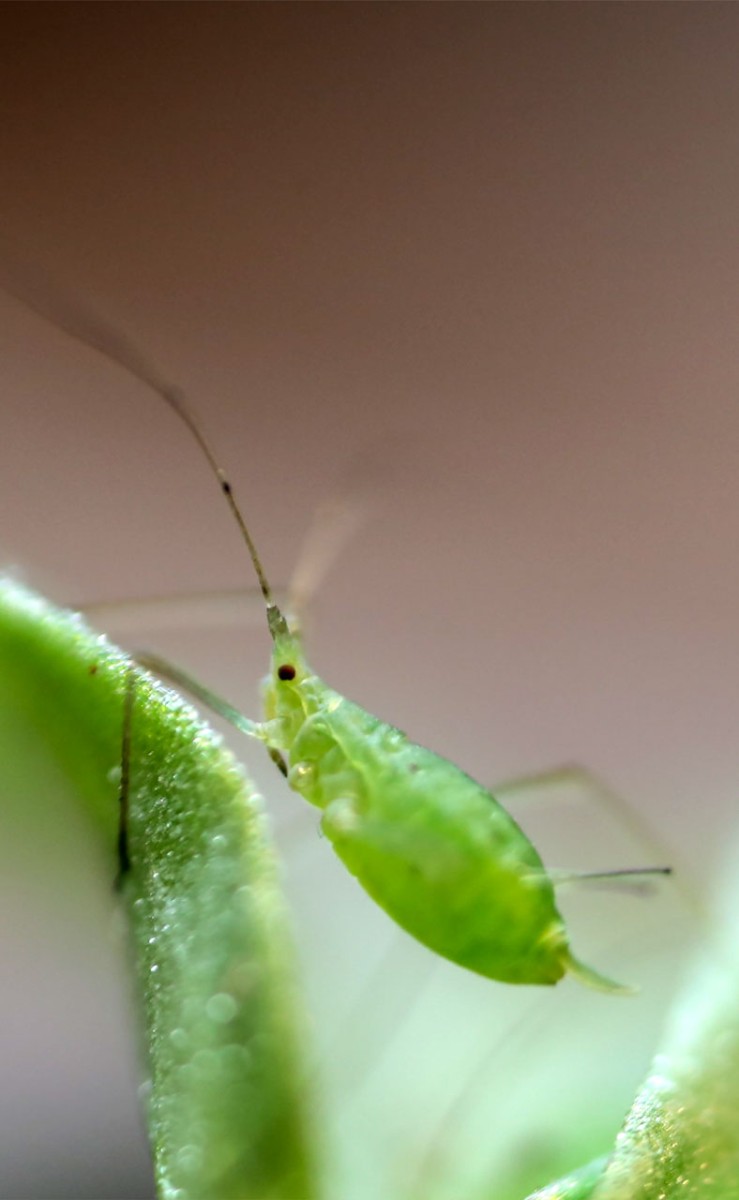
Aphids come in a variety of colors and sizes. Green aphids are the most common, blending in with plant foliage. Yet, you might also encounter black, brown, yellow, or even pink aphids, each with their own favorite plants. Each type of aphid might prefer a specific plant. For example, the rose aphid loves roses, while the green peach aphid targets peach trees. Knowing which aphids are likely to infest your plants helps in early detection and control. The diversity among aphids is a reminder of how adaptable nature can be. Have you ever noticed how a seemingly small problem can have so many variations? In your garden, recognizing the type of aphid can make all the difference in managing them effectively. Remember, identifying aphid infestations early ensures your efforts to collect honeydew are not in vain. Keep your eyes peeled and your plants healthy, and you’ll be well on your way to harvesting that sweet, sticky substance.
Attracting Aphids
Cultivate a garden with plants like nasturtiums and sunflowers to naturally attract aphids. Their presence encourages aphid honeydew production, offering a sweet treat for beneficial insects.Attracting aphids can seem unusual, but for those keen on harvesting aphid honeydew, it’s a necessary step. Aphid honeydew is a sweet, sticky substance secreted by aphids, and it can be a treat for garden enthusiasts and curious minds alike. By understanding what draws these tiny insects, you can create an environment that encourages them to visit your garden.
Preferred Plants
Aphids have a particular taste when it comes to plants. They are drawn to plants like roses, tomatoes, and sunflowers. If you already have these in your garden, you’re in luck. Consider planting nasturtiums and milkweeds too. These plants not only attract aphids but can also add beauty to your garden. Do some research on local plants that aphids favor. What grows in your neighbor’s yard might attract aphids differently than what thrives in your own.
Environmental Factors
Aphids thrive in warm, moist environments. If you live in a dry area, try misting your plants regularly to create a more inviting habitat. Wind can deter aphids, so consider placing your preferred plants in sheltered spots. A windbreak like a fence or a row of taller plants can help create a cozy nook for them. Think about the time of year. Aphid populations tend to surge in spring and fall, so aligning your efforts with these seasons might yield better results. Creating the perfect environment for aphids can be a bit of a balancing act. Have you ever noticed how some gardens seem to buzz with life while others stay silent? It’s all about crafting the right conditions.
Harvesting Honeydew
Collecting honeydew from aphids is simple. Gently shake infested plants over a container. This sticky liquid collects easily.Harvesting honeydew from aphids might sound like an unusual task, but it can be a rewarding experience for those who enjoy the sweet rewards of nature. This substance, which aphids excrete as they feed on plant sap, can be a unique addition to your pantry. Whether you’re a gardener looking to make the most of your plants or simply curious about this sticky sweetener, understanding the collection process and safety measures is crucial. ###
Collection Techniques
Gathering aphid honeydew requires a bit of patience and the right approach. Start by identifying plants with a high aphid population. These pests are commonly found on roses, sunflowers, and fruit trees. Once you’ve located a suitable plant, look for leaves or stems that have a shiny, sticky coating. That’s the honeydew. Use a gentle brush or a soft cloth to wipe the substance into a clean container. Some enthusiasts use a small funnel to guide the honeydew directly into a jar. This method minimizes waste and keeps your collection neat. Remember, the goal is to collect without damaging the plant or harming the aphids. ###
Safety Precautions
Handling honeydew involves a few safety considerations. Always ensure the plants you collect from are not treated with pesticides. Consuming honeydew from chemically treated plants can be harmful to your health. Wear gloves to protect your hands from the stickiness and potential irritants. Though the honeydew itself is not harmful, plant sap or aphid secretions can cause skin irritation in some people. It’s also wise to wash the collected honeydew before consumption. A simple rinse with filtered water can remove any debris or impurities, making it safer for you to enjoy. Have you ever wondered about the hidden treasures in your backyard? Aphid honeydew might just be one of them. By following these techniques and precautions, you can safely gather and savor this natural sweetener.
Credit: news.cornell.edu
Tools For Collection
Collecting aphid honeydew can be a fascinating activity. It’s a unique substance secreted by aphids, often used by ants and other insects. Gathering it requires a few simple tools. These tools make collection straightforward and efficient. Using the right equipment ensures you get the best results. Explore essential equipment and DIY methods for successful collection.
Essential Equipment
Having the right gear makes a big difference. A magnifying glass is crucial. It helps you spot aphids and their honeydew. Clear jars or containers are useful for storing collected honeydew. Ensure they have tight lids to prevent contamination. A soft brush is handy for gentle collection. It sweeps honeydew without damaging plants. Tweezers or small tongs assist in handling delicate aphids. Choose tools that are easy to clean and maintain.
Diy Collection Methods
Crafting your own tools can be rewarding. Use a plastic spoon to scoop honeydew. It’s simple and effective. Cut straws into short segments. These act as funnels for directing honeydew into containers. Rubber bands can secure collection jars to branches. This keeps them stable during collection. Create a homemade net using mesh fabric and a stick. This captures honeydew drops efficiently. DIY methods offer flexibility and creativity.
Storing Honeydew
Harvesting honeydew from aphids is simple. Just place a jar under leaves where aphids gather. Collect the honeydew that drips down. This method is easy and requires minimal effort, ensuring you capture the sweet substance efficiently.Storing honeydew is crucial for maintaining its quality and freshness. Proper storage ensures you enjoy the sweet benefits longer. Follow these guidelines to keep your aphid honeydew in the best condition.
Best Practices
Store honeydew in clean, airtight containers. This prevents exposure to air and moisture. Glass jars are often the best choice. They don’t react with the honeydew. Place the containers in a cool, dark place. Sunlight can degrade the quality over time. Regularly check for any signs of spoilage. A quick inspection can save your batch.
Avoiding Contamination
Ensure all containers are sterilized before use. This prevents bacteria and mold growth. Use boiling water to sterilize glass jars. Dry them completely to avoid moisture. Avoid using metal lids. They can react with honeydew and alter its taste. Always use clean, dry utensils when handling honeydew. Contaminated tools can introduce unwanted microbes.

Credit: www.youtube.com
Alternative Sources
Aphid honeydew is easily gathered by attracting aphids to your garden. Planting specific flowers like sunflowers or lupines draws them in. Observe as aphids produce honeydew, a sweet substance sought after by many insects.Exploring alternative sources of aphid honeydew can open up a world of possibilities for gardeners, hobbyists, and even curious foodies. While the idea of collecting honeydew directly from aphids might seem daunting, there are simpler routes to access this sweet substance. Whether you’re looking to experiment in the kitchen or enhance your garden’s ecosystem, there’s an easier way to get your hands on honeydew.
Synthetic Honeydew
Did you know that synthetic honeydew is available? It’s a lab-created version of the natural substance, designed to mimic the real thing. This option is perfect if you’re keen on experimenting without the hassle of collecting from live aphids. Synthetic versions often come in a convenient liquid form, making them easy to use. You can find them in specialty stores or online. They’re a great choice for educational purposes, allowing you to observe how ants or other insects interact with honeydew.
Commercial Options
Commercial products containing honeydew are another avenue to explore. These are often marketed for gardening enthusiasts who want to attract beneficial insects like ladybugs and lacewings. You might find honeydew-based products in the pest control section of gardening centers. These can be applied to plants to encourage a natural balance in your garden. Keep an eye out for products that are eco-friendly and safe for your plants. Have you ever tried using these alternative sources? They can be a game-changer for anyone interested in observing natural insect behavior or enhancing their garden. Which option will you try first?
Frequently Asked Questions
How To Get Aphid Honeydew Grounded Easily?
To easily collect aphid honeydew, place a sticky surface beneath infested plants. Use a soft brush or cloth to gently gather the honeydew from leaves. Ensure plants are healthy to promote aphid activity. Regularly check and clean the surfaces to maintain efficiency.
How Rare Is Aphid Honeydew Grounded?
Aphid honeydew grounded is quite rare. It’s a specialized product made from aphid secretions. Few producers create it, making it hard to find. Its rarity adds to its uniqueness and potential value. Seek niche markets or specialty stores for availability.
What Is The Best Way To Get Honeydew In Pocket Ants?
Upgrade your queen to increase honeydew production in Pocket Ants. Focus on collecting leaves to boost your colony. Enhance worker ants’ efficiency to gather resources faster. Keep your storage optimized to prevent overflow. Regularly participate in battles to earn more rewards and progress in the game.
What Causes Aphid Honeydew To Become Sticky?
Aphid honeydew becomes sticky due to its high sugar content. Aphids secrete this sugary substance while feeding on plant sap. The sugars create a sticky residue as they dry. This sticky film can attract other insects and cause sooty mold growth on plants.
Conclusion
Finding aphid honeydew can be simple with the right steps. Follow the tips shared here. They make the process easier and quicker. Remember to check plants regularly. This helps spot aphids early. Use gentle methods to collect honeydew. This keeps plants and insects safe.
Patience and care are key. These help in gathering honeydew effectively. Try these methods and enjoy your success. Your plants will thank you. Happy gardening!