

As temperatures drop, many gardeners face the challenge of keeping plants safe from the cold. The bitter chill can damage delicate leaves and roots, making it essential to know how to shield your garden effectively. Understanding the threat of frost and freeze is the first step in safeguarding your plants.
With the right strategies, you can minimize the impact of harsh weather on your garden. This guide will explore practical tips and techniques to defend your plants from the cold. Whether you have a few pots or a sprawling backyard, learning to protect your garden is key. Stay ahead of winter’s icy grip and ensure your garden thrives, even when temperatures plummet.
Credit: canopy.org
Identifying Frost And Freeze
Identifying frost and freeze in your garden is crucial for protection. Understanding the differences helps you prepare effectively. Both phenomena can damage plants, but they occur differently. Recognizing signs early can save your garden from severe impacts. Let’s explore what distinguishes frost from freeze and how to spot damage.
Frost Vs Freeze
Frost occurs when temperatures drop below freezing, causing ice crystals. These crystals form on plant surfaces. They look like a thin white layer. Freeze, on the other hand, happens when air temperatures fall well below zero. This affects the entire plant structure. Freeze is more damaging than frost. It can lead to plant death if severe. Knowing these differences helps in taking timely action.
Signs Of Frost Damage
Frost damage usually appears as wilting leaves. They might look black or dark brown. The edges often curl. These signs indicate ice crystal formation. Stem damage is less common but possible. If the frost is severe, entire plants may turn limp. Early detection can prevent long-term harm. Covering plants or using frost blankets can be effective measures.
:strip_icc()/how-to-protect-plants-from-frost-04-5651994-e3d22e13b7324c67a5c9145f71d8c30c.jpg)
Credit: www.bhg.com
Timing Of Frost Events
Frost events can catch gardeners off guard, damaging plants overnight. Covering plants with blankets or cloth can help. Watering the garden before frost can create a protective barrier.Understanding the timing of frost events is crucial for any gardener looking to shield their plants from the harsh cold. Frost can sneak up unexpectedly, causing significant damage to your garden if you’re not prepared. The key is to stay informed and plan ahead, ensuring your beloved plants survive and thrive even in the chilliest weather. ###
Seasonal Occurrence
Frost typically occurs during the cooler months, but the exact timing can vary based on your geographical location. In many regions, the first frost may appear in late autumn, while others might see it much earlier. Checking historical frost dates for your area can provide a helpful baseline. However, climate change has made frost dates less predictable. Have you noticed frost arriving later than it used to? Adjusting your gardening calendar to these changes can make a big difference. ###
Weather Forecasting
Weather forecasts are a gardener’s best friend when preparing for frost. Regularly check local weather reports, especially as the temperature begins to drop. A sudden cold snap can catch you off guard if you’re not vigilant. Consider using weather apps that offer frost alerts. These can send notifications directly to your phone, ensuring you never miss a critical update. Wouldn’t it be reassuring to know you’re always one step ahead of the frost? Remember, preparation is key. By understanding the timing of frost events and staying alert to weather changes, you can protect your garden and keep it flourishing throughout the colder months.
Impact On Plants
The arrival of frost and freeze can send a chill through any gardener’s heart, quite literally! Understanding the impact on your plants is crucial to maintaining a thriving garden. The bitter cold can cause irreversible damage, but there are ways to protect your green friends. Let’s delve into how different plants react to these conditions and what you can do to support their growth.
Sensitive Plant Types
Some plants are more vulnerable to frost than others. Tropical plants, like hibiscus and bougainvillea, are particularly sensitive. Their lush leaves can quickly wither and turn black with exposure to cold temperatures.
Even some hardy vegetables, such as tomatoes and peppers, can suffer when frost sneaks in unexpectedly. They might not survive a sudden freeze, leaving you with a disappointing harvest.
Knowing which plants are sensitive allows you to prioritize their protection. Have you considered using frost cloths or blankets? These can offer a critical layer of insulation during chilly nights.
Effects On Growth
The cold can stunt your plant’s growth, slowing down their development significantly. Frost damages cells, hindering the plant’s ability to absorb nutrients and water, crucial for healthy growth.
Imagine waking up one morning to find your once vibrant garden looking lifeless and droopy. The effects can be disheartening, but they also motivate you to take preventive measures.
Consider the impact on fruit-bearing plants. Cold snaps can lead to poor fruit development, affecting both yield and quality. Are you prepared to miss out on fresh, homegrown produce?
Protecting plants from frost isn’t just about survival; it’s about ensuring they thrive. Would you rather see a garden flourish or falter under the weight of winter’s chill?
Preventative Measures
Protecting your garden from frost and freeze involves simple steps. Cover plants with blankets or cloths overnight. Mulch around the base to keep soil warm.Preventative Measures are crucial for safeguarding your garden against frost and freeze. The cold can damage plants, leading to loss of blooms or entire plants. Simple strategies can help protect your garden and ensure its survival.
Mulching Techniques
Mulching is a simple way to shield plants from cold. It acts as a protective barrier, keeping the soil warmer. Use organic materials like straw or leaves. Spread them around the base of plants. This helps retain soil moisture and warmth. Mulch should be thick enough to cover roots but not smother stems. A layer of 2 to 4 inches is often ideal. Check mulch regularly, ensuring it stays in place through cold spells.
Using Frost Blankets
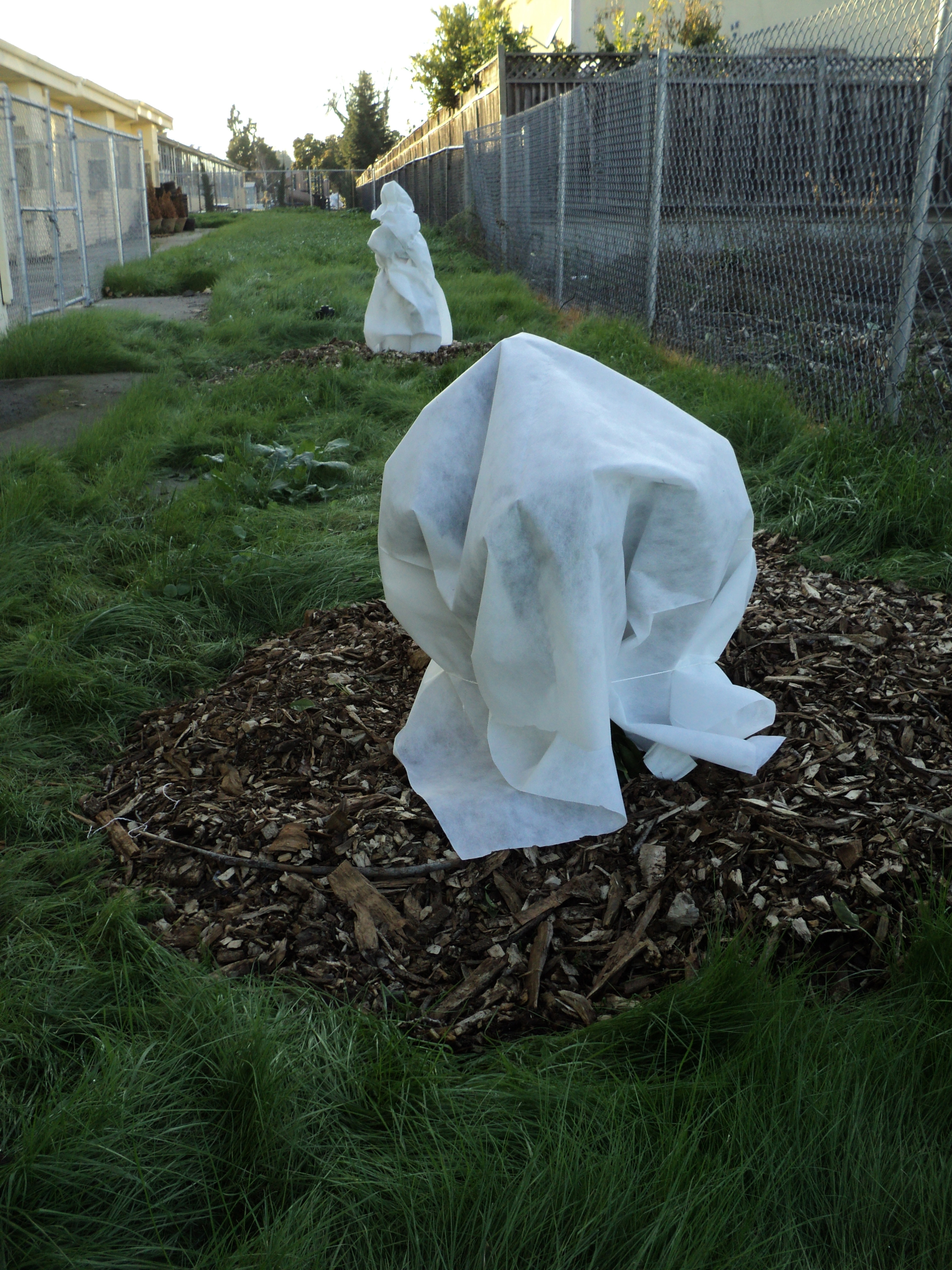
Frost blankets are another effective method to protect plants. These lightweight covers trap heat from the ground. Drape them over plants before temperatures drop. Secure them with stakes or rocks to prevent wind from blowing them away. Remove blankets during the day to let plants breathe. Frost blankets work well for delicate plants or those prone to frost damage. They provide warmth without causing harm. Invest in good quality blankets for long-term use.
Garden Design Strategies
Winter can be harsh on your garden, but smart design helps. With effective strategies, your plants will thrive even in cold weather. Focus on creating a garden that withstands frost and freeze. Here are some strategies to consider for a resilient garden.
Windbreaks
Windbreaks protect your garden from harsh winds. Use fences, shrubs, or trees to block cold gusts. Position them strategically to shield delicate plants. This reduces wind chill and prevents damage. Choose evergreens for year-round protection. They maintain foliage even in winter. This ensures consistent shelter for your garden.
Choosing Hardy Plants
Select plants that thrive in cold climates. Hardy plants withstand frost better. They require less protection and care. Research plants suitable for your region. Native plants are often the best choice. They adapt well to local conditions. This increases their survival rate during frosty periods. Consider perennials that return each year. They provide long-term beauty and resilience.

Credit: www.gardenary.com
Emergency Protections
Emergency protections are crucial for gardens facing frost and freeze threats. Bitter cold can damage plants, leaving gardeners stressed. Quick actions can prevent harm and keep your garden thriving. Below are strategies to shield your plants from cold temperatures.
Temporary Shelters
Temporary shelters offer a fast solution against cold weather. Use old blankets or sheets to cover plants. This traps heat and shields plants from frost. Ensure the fabric is breathable to avoid suffocation. You can also use cardboard boxes for small plants. These create a warm environment and protect from chilling winds. For larger areas, consider using a portable greenhouse. It’s easy to set up and effectively keeps plants warm.
Watering Tips
Watering plants before a freeze helps protect them. Wet soil retains heat better than dry soil. This helps maintain a warmer root environment. Water early in the day to allow absorption before the cold hits. Avoid watering plants in the evening. This can cause ice to form and damage roots. Also, check drainage around plants. Good drainage prevents water from freezing around roots. If needed, adjust soil to improve water flow.
Post-frost Care
Frost can leave your garden in a state of distress. The aftermath requires careful attention to bring life back to your plants. Post-frost care is essential for ensuring your garden thrives once the cold has passed. By addressing damage and nurturing the plants, your garden will recover beautifully.
Pruning Damaged Parts
Examine your plants for frost damage. Look for wilted or blackened leaves. These parts need removal to prevent further harm. Use clean, sharp tools to cut away the dead material. Cut just above healthy tissue to encourage new growth. Avoid cutting too deep into the plant. Focus on removing only the visibly damaged areas.
Reviving Plants
Once pruning is complete, it’s time to revive your plants. Water them thoroughly to hydrate the roots. The soil should be moist but not waterlogged. Consider applying a gentle fertilizer to boost recovery. Check the weather forecast before watering again. Too much water can cause root rot.
Provide your plants with some protection from future frosts. Use burlap or frost cloth to cover them during cold nights. This helps in maintaining warmth and reducing stress. Gradually expose your plants to more sunlight as they recover. Sunlight is vital for their healing process.
Long-term Solutions
Shield your garden from frost and freeze with long-term solutions. Use mulch, blankets, or frost cloths to cover plants. Choose cold-resistant plants, and water them early to strengthen roots against the cold.Long-term solutions are essential to protect gardens from frost and freeze. These strategies ensure your garden thrives even during bitter cold spells. Investing in climate-adaptive practices and maintaining soil health can significantly enhance garden resilience.
Climate-adaptive Landscaping
Climate-adaptive landscaping involves choosing plants suited to your local climate. Native plants are naturally more resilient to local weather patterns. They require less intervention during extreme cold. Select perennials with proven cold tolerance. These plants can survive frost and contribute to a healthier garden ecosystem. Use mulch to insulate plant roots. Mulch acts as a protective blanket, retaining soil moisture and warmth.
Soil Health Maintenance
Healthy soil supports plant resilience against frost. Regularly test and amend your soil to ensure it has necessary nutrients. Organic matter like compost improves soil structure. It enhances water retention and provides essential nutrients. Proper drainage prevents waterlogging, which can freeze roots. Raised beds are a great option for improving drainage. Aerate your soil regularly to prevent compaction. Compacted soil restricts root growth, making plants vulnerable.
Frequently Asked Questions
What Is The Best Thing To Cover Plants With During A Freeze?
Use frost blankets or burlap to protect plants during a freeze. These materials insulate and prevent frost damage. Cover plants before sunset and remove coverings in the morning. Ensure coverings reach the ground to trap heat. Secure with rocks or stakes to prevent wind exposure.
At What Temperature Should You Cover Your Plants At Night?
Cover your plants at night when temperatures drop below 32°F (0°C). Protect them from frost and freezing conditions. Use breathable materials like cloth or burlap for effective protection. Secure coverings to prevent wind damage. Remove covers in the morning to allow sunlight and air circulation.
Will Plastic Garbage Bags Protect Plants From Frost?
Plastic garbage bags can offer some frost protection for plants. Ensure they don’t touch the foliage directly. Use stakes or supports to create a tent-like structure. Remove the bags during the day to prevent overheating. Consider using breathable materials like burlap for better results.
Can Plants Survive One Night Of Frost?
Many plants can survive one night of frost if temperatures don’t drop too low. Covering plants helps protect them. Using mulch or cloth can insulate them. Frost-sensitive plants may suffer damage or die. Hardy plants, like pansies, often withstand brief frosts.
Always check plant-specific frost tolerance for best results.
Conclusion
Protecting your garden from frost is crucial. Simple steps make a big difference. Cover plants with blankets or sheets. Use mulch to keep roots warm. Watering before frost helps retain heat. Move potted plants indoors if possible. Check weather forecasts regularly.
This way, you can prepare in advance. Even small efforts can save your plants. Your garden will thrive despite the cold. Enjoy a flourishing garden all year round. With these tips, your plants stay safe. Remember, preparation is key. Happy gardening!