In the world of indoor gardening, plant stakes are vital tools. They guide your plants as they grow, keeping them upright and vibrant. But with so many options available, choosing the right stakes can be confusing. Some are made from bamboo, others from metal or plastic.
Each type offers different benefits for your plants. The right stake not only supports but enhances the beauty of your indoor garden. This post will explore the best plant stakes for your indoor plants. Discover which stakes suit your needs, helping your plants thrive. Let’s dive into the world of plant stakes and find the perfect fit for your indoor garden.
Credit: www.amazon.sa
Types Of Plant Stakes
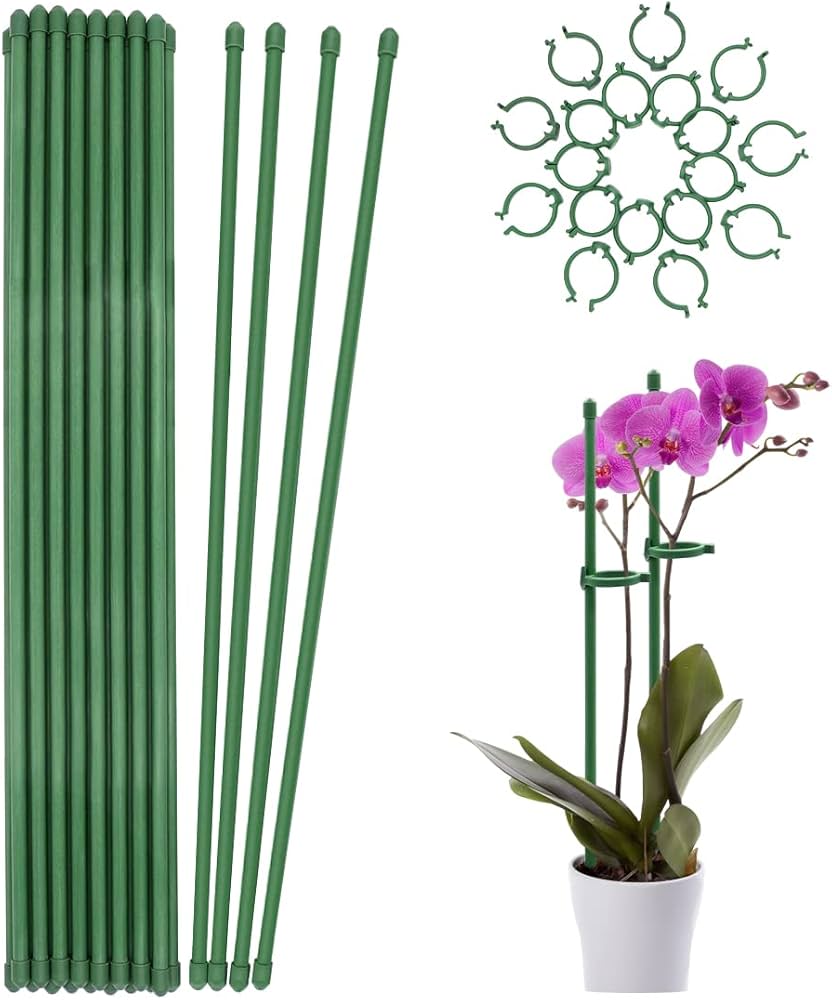
Indoor plant stakes come in various types, each serving a unique purpose. Bamboo stakes offer sturdy support for tall plants. Metal stakes provide durability and are rust-resistant. Plastic stakes are lightweight and versatile, perfect for delicate plants. Choosing the right stake ensures healthy growth and stability for your indoor greenery.Choosing the right plant stake can make a world of difference for your indoor plants. Have you ever noticed your favorite houseplant drooping or growing in an awkward direction? Plant stakes can help guide their growth, offering support and creating a more visually appealing look. Let’s dive into the different types of plant stakes you can use to help your indoor plants thrive.
Wooden Stakes
Wooden stakes are a classic choice for plant support. They’re affordable, widely available, and blend well with natural decor. You can easily cut them to the desired length, making them perfect for any plant size. These stakes are usually made from bamboo or hardwood. They add a rustic charm to your indoor garden. However, keep an eye on them over time, as they may start to rot if the plant soil is too moist.
Metal Stakes
Metal stakes are known for their durability. If you have a heavy or tall plant, these stakes offer robust support. They come in various finishes, like copper or stainless steel, which can add a modern touch to your plant setup. One downside is that metal can rust over time, especially in humid environments. Consider using a rust-resistant variety to ensure longevity. Have you ever experimented with spray painting them for a pop of color?
Plastic Stakes
Plastic stakes are lightweight and versatile. They resist moisture, making them ideal for plants that require frequent watering. Many gardeners appreciate their flexibility, as they can be bent or shaped to suit the plant’s growth pattern. On the downside, plastic stakes might not be as sturdy as metal. They can bend under the weight of larger plants. But if you’re looking for a budget-friendly option, plastic stakes are worth considering. By understanding the unique benefits of each type of stake, you can make an informed decision that best suits your indoor plant’s needs. Have you tried mixing different types of stakes to create a more dynamic plant display? Share your experiences in the comments!
Credit: www.amazon.com
Benefits Of Using Plant Stakes
Plant stakes are essential tools for indoor gardening enthusiasts. They offer numerous benefits that can elevate the health and appearance of your plants. By providing support and structure, plant stakes help plants grow strong and healthy. They also protect plants from potential damage. Plus, they can add an attractive touch to your home decor. Let’s delve into the specific advantages of using plant stakes in your indoor garden.
Support For Growth
Plant stakes guide the growth direction of plants. This ensures they grow upright and strong. As plants reach for the light, stakes offer vital support. They prevent plants from bending or toppling over. This is crucial for long-stemmed plants. Without stakes, these plants might struggle to sustain their own weight. This support fosters healthy development. It encourages robust and thriving foliage.
Preventing Damage
Indoor plants are prone to damage. This can happen from daily activities or curious pets. Plant stakes act as a protective barrier. They keep stems and leaves safe from accidental harm. Stakes also help keep plants stable during watering. This reduces the risk of breakage or root disturbance. By using stakes, you minimize the chances of plant injury. This ensures your plants remain lush and vibrant.
Aesthetic Enhancements
Plant stakes can transform the look of your indoor garden. They come in various designs and materials. Bamboo, metal, and decorative stakes offer visual appeal. These options can complement the style of your home. Stakes can also help shape plants into attractive forms. This adds a touch of elegance and charm to your space. With plant stakes, your indoor garden becomes a delightful focal point.
Choosing The Right Stake
Selecting the right plant stake is crucial for healthy indoor plants. Bamboo stakes offer strength and elegance, while metal stakes provide durability. Wooden stakes blend naturally with plant decor, ensuring support without overwhelming the plant’s appearance.Choosing the right stake for your indoor plants is crucial. The right support can encourage healthy growth and prevent damage. Different plants have unique needs, and the environment plays a significant role. Evaluating durability ensures your stakes last and provide consistent support.
Consider Plant Type
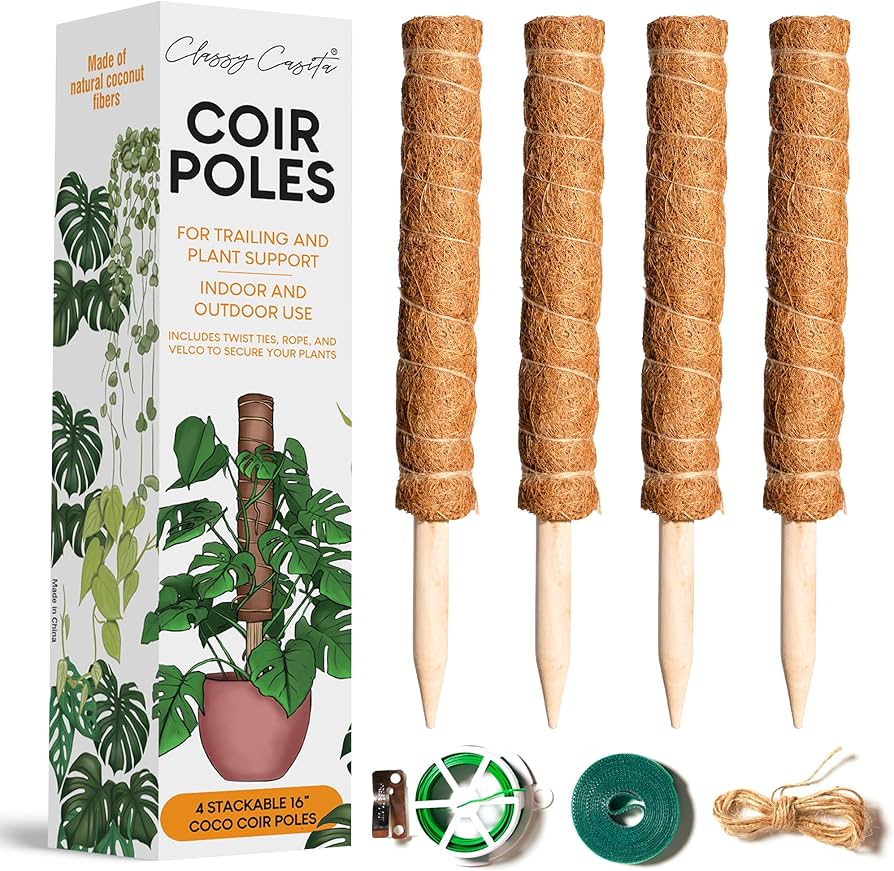
Plants vary in their growth patterns and support needs. Tall plants like Monstera need sturdy stakes to hold their weight. Vining plants, such as Philodendrons, benefit from trellises or moss poles. Smaller plants might only require thin bamboo sticks. Understanding your plant’s nature helps in selecting an appropriate stake.
Assess Indoor Environment
The indoor environment affects the choice of plant stakes. Low-light areas might weaken plant growth, affecting stake stability. High humidity can cause wooden stakes to rot faster. Consider temperature fluctuations and how they impact materials. A stable environment helps in maintaining stake integrity.
Evaluate Stake Durability
Durability is key for long-lasting plant support. Wooden stakes may look natural but can degrade in moist conditions. Metal stakes offer strength but might rust without proper coating. Plastic stakes resist moisture but may not blend well with decor. Choose a stake that balances strength and appearance.
Installation Techniques
Installing plant stakes indoors requires careful attention. Proper techniques ensure healthy and thriving plants. Each step matters, from positioning to securing and adjusting stakes. Let’s explore how to install stakes effectively.
Correct Positioning
Position stakes close to the plant base. Avoid crowding the roots. Choose a spot that supports growth. Ensure stakes are upright for stability. Align stakes with the plant’s natural direction. This encourages natural growth patterns.
Securing Plants
Gently tie plants to the stakes. Use soft materials like twine or fabric strips. Avoid tight knots that harm stems. Check for balance and adjust ties as needed. Secure plants without restricting their growth. This helps plants stay upright and healthy.
Adjusting Over Time
Plants grow and change. Adjust stakes regularly to meet their needs. Monitor plant growth and reposition stakes if necessary. Loosen ties to prevent damage. Ensure stakes support new growth. Regular adjustments help plants thrive indoors.
Maintenance Tips
Maintaining your indoor plant stakes not only extends their lifespan but also ensures your plants remain supported and healthy. You might not think much about maintenance, but a little effort can make a big difference. Curious about how to keep your plant stakes in top condition? Let’s dive into some practical tips.
Regular Inspections
Your stakes might look sturdy at first glance, but regular inspections can reveal hidden issues. Check for any signs of wear, such as bending or rust. These could weaken the support your plants need. You might find that your plant has outgrown its stake, needing a taller or stronger one. Spotting problems early helps you prevent damage to your plants.
Cleaning Methods
Clean stakes are not just about aesthetics; they’re crucial for plant health. Dust and residue can harbor pests or diseases. Use a damp cloth or mild soapy water to clean the stakes regularly. This simple routine can save your plants from unwanted infestations. Picture this: a friend skipped cleaning, and soon her plants were battling a mysterious mold.
Replacing Worn Stakes
Replacing worn stakes might seem like an added chore, but it’s essential for plant growth. Old stakes can snap under pressure, causing your plants to droop or even break. Invest in durable materials like bamboo or metal to avoid frequent replacements. Have you ever wondered why your plant suddenly drooped? Check if the stake is still reliable.
Maintaining your plant stakes doesn’t require much time but offers great benefits. What steps will you take today to ensure your indoor plants thrive?
:max_bytes(150000):strip_icc()/how-to-stake-up-houseplants-1902694-05-9a3ace45d32549d6ae094ee002c77a86.jpg)
Credit: www.thespruce.com
Diy Plant Stake Ideas
Creative DIY plant stake ideas can enhance your indoor garden. Sturdy bamboo stakes provide support for tall plants. Decorative wooden stakes add charm and stability to smaller indoor plants.DIY plant stakes offer a creative way to support indoor plants. Crafting your own stakes adds a personal touch to your plant care routine. It also allows you to choose materials that match your style and needs. Explore these ideas to create unique plant stakes at home.
Repurposing Materials
Old chopsticks make excellent plant stakes. They are sturdy and easy to insert into soil. Wooden skewers also work well for small plants. Consider using them for herbs or succulents. Unused metal hangers can be reshaped into decorative stakes. This gives them a second life while supporting taller plants. Wine corks attached to sticks can add a whimsical touch. They’re perfect for labeling plant types or care instructions.
Custom Designs
Crafting custom designs allows you to match your home’s decor. Paint wooden dowels in colors that complement your room. Add patterns or stripes for extra flair. Create themed stakes for holidays or seasons. Use polymer clay to sculpt unique shapes. Flowers, leaves, or even animals can adorn your plants. Personalize stakes with initials or small messages. They make thoughtful gifts for plant-loving friends.
Eco-friendly Options
Opt for sustainable materials to create eco-friendly plant stakes. Bamboo is a renewable resource and biodegradable. It’s strong and blends well with greenery. Reuse newspaper or cardboard to make paper mache stakes. They are lightweight and compostable. Driftwood from the beach offers a natural and rustic look. Ensure it’s clean and dry before use. Use fallen branches from your garden. They’re free and naturally integrate with plant surroundings.
Popular Brands
Top brands offer sturdy plant stakes perfect for indoor plants. These stakes ensure plants grow upright and healthy. Choose from bamboo, metal, or plastic options to fit your style and needs.If you’ve ever struggled to keep your indoor plants upright and thriving, you’re not alone. Finding the right plant stakes can make all the difference. Popular brands offer reliable solutions that cater to different needs. Whether you want to provide support for your monstera or train your pothos to climb, these brands have you covered.
Top-rated Options
Some brands consistently receive praise from plant enthusiasts for their quality and durability. Gardener’s Supply Company is a favorite for its sturdy bamboo stakes, perfect for supporting taller plants. Botanica offers sleek metal stakes that blend seamlessly with your indoor décor. Both brands focus on providing options that not only support your plants but also enhance their aesthetic appeal. Ever tried a spiral stake for your climbing plants? It’s both functional and visually interesting. Consider these top-rated options for a dependable choice.
Budget-friendly Choices
Not everyone wants to spend a fortune on plant accessories, and that’s okay. Affordable options like Home Depot’s garden stakes offer good quality at a lower price. They might not have the flair of high-end brands, but they get the job done without breaking the bank. Amazon Basics also features plant stakes that are budget-friendly and reliable. Think about how much you want to invest in your indoor garden. Sometimes, simple is best, and these budget-friendly choices prove it.
Specialty Stakes
For those with specific needs, specialty stakes offer unique solutions. Velcro Plant Ties are perfect for delicate stems that need gentle support. They can be adjusted easily as your plants grow, providing flexibility. Hoop Stakes offer support for bushy plants that need a little more guidance to maintain their shape. Ever considered using stakes as part of a DIY trellis? It’s a creative way to encourage your plants to climb. Specialty stakes cater to unique needs, making them an exciting option for plant lovers. Which type of stake do you think would suit your indoor garden best? The right choice can transform your plant care routine, making it easier and more enjoyable.
Common Mistakes
Selecting the wrong size stake can harm plants. Many choose flimsy stakes that don’t support growth. Some forget to secure stakes, leaving plants vulnerable.When you’re nurturing your indoor plants, it’s easy to make mistakes with plant stakes that might hinder rather than help your greenery thrive. These seemingly simple tools can make a big difference in your plant’s health and appearance. But without the right approach, you might find yourself dealing with droopy leaves or bent stems. Let’s dive into some common mistakes people make with plant stakes and how to avoid them. ###
Incorrect Sizing
Choosing the wrong size stake is a frequent error. Too tall, and your plant may look awkward or unstable. Too short, and it won’t provide the necessary support. Consider the height and growth pattern of your plant before purchasing stakes. A rule of thumb is to select stakes that are about two-thirds the height of your plant. This ensures stability without overshadowing your plant’s natural beauty. ###
Over-staking Plants
In the quest for stability, you might be tempted to add multiple stakes. However, over-staking can restrict your plant’s growth. It limits the plant’s natural movement, which is essential for strengthening the stems. Instead, use a single stake unless absolutely necessary. Allow your plant some freedom to sway gently. This movement encourages sturdier growth and mimics the plant’s natural environment. ###
Ignoring Stake Material
Not all stakes are created equal. Ignoring the material of your plant stake can lead to issues like rust or rot. Wooden stakes, while natural-looking, can rot if exposed to moisture. Metal stakes can rust and affect the soil quality. Opt for materials that suit your plant’s environment. Bamboo is a great choice for its resilience and aesthetic appeal. Plastic stakes are also durable and weather-resistant, making them a practical option for indoor use. Have you fallen into any of these staking traps? Next time you’re supporting your indoor jungle, remember these tips and watch your plants flourish. With the right stakes, your indoor garden can reach new heights—literally and figuratively.
Frequently Asked Questions
How Do I Keep My Indoor Plants From Falling Over?
Use sturdy pots for stability. Place plants on flat surfaces away from high-traffic areas. Secure with stakes or ties if needed. Rotate pots for even growth. Avoid overwatering to prevent soil from becoming too heavy.
How Do You Stake A Heavy Indoor Plant?
To stake a heavy indoor plant, select a sturdy stake and gently insert it into the soil. Secure the plant to the stake using soft ties. Adjust the ties as the plant grows to avoid restricting growth. Regularly check the stake’s stability and ensure the plant is well-supported.
What Container Is Best For Indoor Plants?
Choose containers with drainage holes for indoor plants. Terracotta pots provide breathability, while ceramic offers style. Plastic pots are lightweight and retain moisture. Ensure the container size matches the plant’s root system for optimal growth.
Do Indoor Plant Food Spikes Work?
Indoor plant food spikes can be effective for providing nutrients. They release nutrients slowly, ensuring consistent nourishment. Choose spikes suitable for your plant type. Proper placement in soil ensures better absorption. Monitor plant health to adjust usage. They simplify feeding, making them convenient for busy plant owners.
Conclusion
Choosing the right plant stakes boosts your indoor plants’ growth. They provide support and keep plants upright. Different materials suit different needs. Bamboo stakes are eco-friendly. Metal stakes last longer. Plastic stakes are versatile and affordable. Consider your plant’s size and weight.
Each stake type has its advantages. Enhancing your indoor garden becomes easier with the right tools. Your plants will thrive, looking vibrant and healthy. Experiment with various stakes to find the best fit. A little support can make all the difference.
Happy gardening!