Transforming your front yard into a vegetable garden can be a rewarding venture. It offers fresh produce right outside your door and adds a unique charm to your home’s appearance. Imagine stepping outside to pick tomatoes or lettuce for dinner.
This practical and eco-friendly choice not only provides food but also beautifies your front yard. Before digging in, consider local regulations and neighborhood aesthetics. Some communities have rules about front yard gardens. Understanding these will ensure your garden is both productive and compliant. Explore the benefits and challenges of front yard vegetable gardening. Discover how it can blend seamlessly with your lifestyle and community.
Credit: shawnacoronado.com
Benefits Of A Front Yard Garden
Transforming your front yard into a vegetable garden offers fresh produce at your doorstep. It enhances curb appeal while promoting sustainability. Plus, growing your own vegetables can be a rewarding hobby and encourages a healthy lifestyle.Are you considering a vegetable garden in your front yard? It may be an unconventional choice, but there are numerous benefits to embracing this trend. From enhancing the appearance of your home to enjoying a constant supply of fresh produce, a front yard garden can transform your outdoor space in remarkable ways.
Increased Curb Appeal
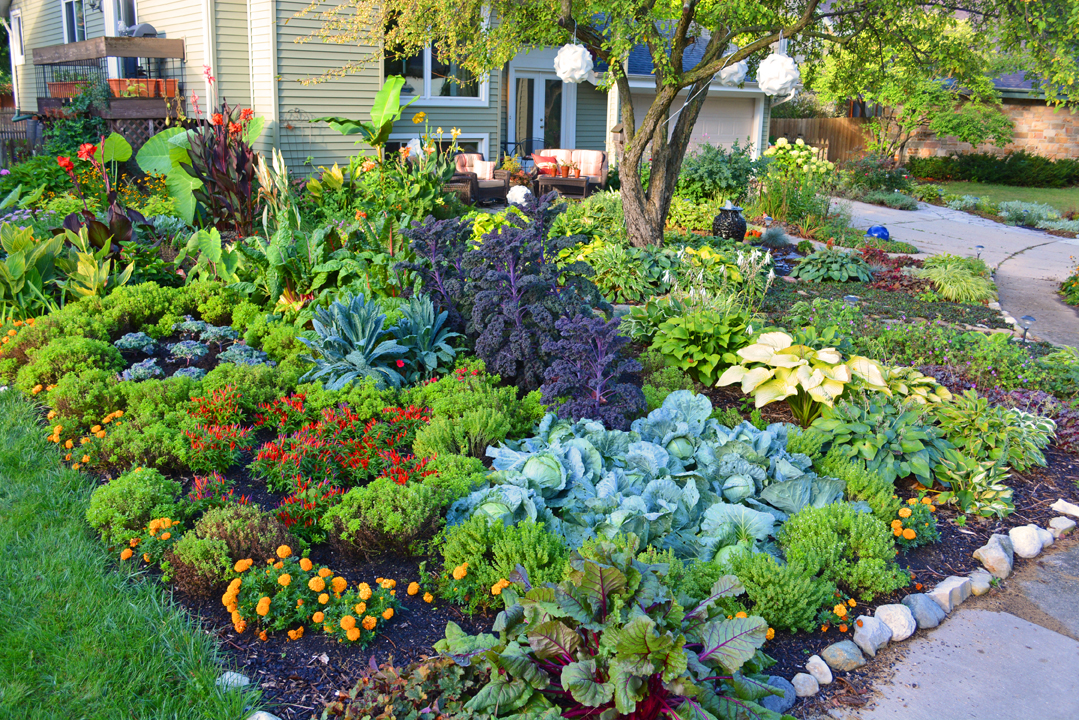
A front yard vegetable garden does more than provide fresh food; it can boost your home’s curb appeal. Imagine walking past homes with vibrant green lettuce, colorful tomatoes, and lush herbs. These visual elements can add a unique touch to your property. A well-maintained garden can be an eye-catching feature that sets your home apart in the neighborhood. You can design your garden with neat rows and charming paths, creating a welcoming and attractive look. Neighbors might stop to admire your thriving plants and perhaps even ask for gardening tips!
Access To Fresh Produce
Having a front yard garden means you can access fresh produce right outside your door. No more rushing to the store for herbs or veggies; you can simply step outside and harvest what you need. There’s a special satisfaction in cooking with ingredients you’ve grown yourself. It’s about knowing exactly where your food comes from and savoring its flavor. Plus, it’s a chance to experiment with new vegetables you may not typically buy at the store. What would you try growing if you had the space and sunlight? Creating a vegetable garden in your front yard is not only practical but can also turn gardening into a rewarding hobby. You might find yourself enjoying the process of planting, nurturing, and watching your garden flourish. So, why not give it a try and see the benefits unfold right before your eyes?
Choosing The Right Vegetables
Planting a vegetable garden in your front yard can be a delightful and productive use of space. Select vegetables that thrive in your climate and match your cooking preferences. Consider aesthetics by choosing colorful plants that enhance curb appeal while providing fresh produce.Creating a vegetable garden in your front yard is a fantastic way to utilize your space efficiently while adding a touch of greenery to your home. However, selecting the right vegetables is crucial for a thriving garden. You don’t want to invest time and effort only to see your plants struggle. Let’s explore how to choose the best vegetables for your unique front yard garden.
Climate Considerations
Understanding your local climate is the first step in choosing the right vegetables. Different plants thrive in different weather conditions, so knowing what grows well in your area will save you from disappointment. Consider the seasons and temperature ranges. If you live in a warmer climate, tomatoes and peppers might be a great choice. Cooler regions might be better suited for carrots and spinach. Check with local gardening centers for specific advice—they often have valuable insights about what works best in your locality.
Space-saving Options
Space constraints shouldn’t deter you from having a bountiful garden. There are clever ways to maximize your space and grow a variety of vegetables. Think vertically. Trellises and vertical planters allow you to grow climbing plants like cucumbers and beans without taking up too much ground space. You could also opt for container gardening; herbs like basil and cilantro thrive in pots and can be moved around as needed. Mix and match small and large plants. Plant lettuce and radishes between larger vegetables like broccoli. This not only saves space but also optimizes your garden’s productivity. Have you ever tried companion planting? Some plants, when grown together, can help each other thrive. Basil and tomatoes make a perfect pair, enhancing each other’s flavor and growth. Choosing the right vegetables for your front yard garden can transform your space into a vibrant, productive oasis. What will you plant this season?
Designing Your Garden Layout
Designing a front yard vegetable garden requires thoughtful planning. A well-designed layout enhances growth and beauty. Consider how each element fits into the overall design.
Focus on sunlight, aesthetics, and efficient use of space. These factors will guide your success. Let’s delve into these key aspects.
Maximizing Sunlight
Sunlight is crucial for healthy plant growth. Observe your yard throughout the day. Identify areas with the most sun exposure.
Arrange taller plants to avoid shading shorter ones. This way, every plant gets its share of sunlight. Consider seasonal changes as well.
Incorporating Aesthetic Elements
Your garden should be both functional and pleasing. Use borders and pathways to create structure. Balance colors and textures for visual appeal.
Integrate decorative elements like stones or small sculptures. These additions enhance the garden’s charm. Choose plants with varying heights and colors.
Remember, a beautiful garden invites admiration from neighbors. It can also boost your home’s curb appeal.
Credit: www.youtube.com
Dealing With Local Regulations
Planting a vegetable garden in your front yard can be rewarding. Before starting, you must understand local regulations. These rules ensure harmony within communities and protect property values. Knowing the regulations can prevent conflicts with neighbors or authorities.
Understanding Zoning Laws
Zoning laws dictate how land is used in neighborhoods. They can affect your garden plans. Some areas may prohibit front yard gardens. Others may have specific guidelines for garden size or appearance. Contact your local zoning office for details. They provide information on what is allowed in your area. This step is crucial in planning your garden.
Navigating Homeowner Associations
Homeowner Associations (HOAs) may have strict rules. These rules can impact your garden choices. HOAs aim to maintain uniformity and aesthetic appeal. Review your HOA’s guidelines carefully. They often address landscaping and curb appeal. Consult with your HOA board if unsure. This ensures your garden complies with community standards.
Soil Preparation Techniques
Creating a lush vegetable garden in your front yard is an exciting endeavor. However, it all begins with proper soil preparation. The foundation of any thriving garden is healthy soil. By investing time in understanding and enhancing your soil, you’ll set the stage for a bountiful harvest. Let’s dive into some essential techniques that can transform your front yard into a thriving vegetable paradise.
Testing Soil Quality
Before planting the first seed, it’s crucial to know what you’re working with. Grab a small sample of your soil and test its quality. You can easily find affordable soil testing kits online or at your local garden store. These kits reveal vital information about your soil’s pH level and nutrient content.
Understanding your soil’s current condition can prevent future headaches. Once tested, you’ll have a clear picture of what your soil needs. Imagine how much easier it will be to choose the right amendments. Testing gives you the power to tailor your efforts effectively.
Enhancing Nutrient Levels
After testing, you might discover your soil lacks essential nutrients. Don’t worry; there are simple ways to enrich it. Adding organic matter like compost or well-rotted manure can significantly boost nutrient levels. These materials also improve soil texture, making it easier for roots to penetrate.
Consider incorporating natural fertilizers like bone meal or fish emulsion. These options offer a gentle but effective nutrient boost. You may wonder if this extra effort is worth it. Picture your vegetables thriving with vibrant colors and robust growth. Your garden becomes not just a sight to behold, but a source of pride.
Have you ever thought about how the soil beneath your feet supports life? When you nurture it, you’re creating the very essence of your garden’s success. Your front yard can become a living testament to the power of careful preparation.

Credit: ediblecommunities.com
Watering And Maintenance Tips
Creating a vegetable garden in your front yard requires regular care. Watering and maintenance keep your plants healthy and thriving. Consistent attention prevents problems and boosts growth. Let’s explore effective strategies for sustaining your garden.
Efficient Irrigation Systems
Efficient irrigation saves water and keeps plants hydrated. Drip irrigation systems deliver water directly to roots. This method reduces water waste and prevents soil erosion. Soaker hoses are another great option. They distribute water evenly across your garden.
Consider using a timer for your irrigation system. Timers automate watering schedules and ensure consistent moisture levels. This approach saves time and reduces manual effort.
Pest And Weed Control
Pests and weeds can hinder your garden’s growth. Hand-picking pests is a simple way to protect plants. For larger infestations, introduce natural predators like ladybugs.
Weeds compete with your vegetables for nutrients. Mulching helps suppress weed growth. Organic mulch, such as straw or wood chips, works well. Regularly check for weeds and remove them promptly. This keeps your garden tidy and productive.
Community And Neighborhood Impact
Planting a vegetable garden in your front yard can foster community engagement. Neighbors may admire your green initiative and exchange gardening tips. This vibrant addition enhances curb appeal and encourages local sustainability efforts.Growing a vegetable garden in your front yard can do more than just provide fresh produce for your kitchen. It can transform your community and neighborhood in unexpected ways. Imagine stepping outside your door and seeing vibrant plants, neighbors stopping by to chat, and a sense of shared purpose growing alongside your tomatoes.
Promoting Local Sustainability
A front yard vegetable garden is a step towards local sustainability. By growing your own food, you reduce the need for transportation and packaging, cutting down on pollution. Your garden can inspire others to think about their own environmental impact. When neighbors see the benefits of fresh, homegrown produce, they might be encouraged to start their own gardens. Wouldn’t it be great if your small patch of land sparked a sustainability movement in your neighborhood?
Encouraging Community Involvement
Front yard gardens invite interaction and involvement. When you garden in your front yard, you’re more likely to meet neighbors and engage in conversations. You might be surprised by how many people are curious or eager to help. Consider organizing a gardening club or hosting a neighborhood planting day. This not only strengthens community bonds but also shares the workload and knowledge. What if your garden became a hub for local gardening enthusiasts? Involving the community can lead to shared resources like seeds and tools, making gardening more accessible for everyone. A vegetable garden in your front yard is more than just a personal endeavor. It’s a catalyst for community growth and sustainability, impacting both your neighborhood and the planet positively.
Overcoming Common Challenges
Transforming your front yard into a vegetable garden can be a rewarding challenge. It offers fresh produce and beautifies your space. Ensure proper sunlight, space, and soil quality for the best results.Starting a vegetable garden in your front yard can be a rewarding venture, but it’s not without its challenges. While the thought of picking fresh tomatoes or peppers from your front yard is enticing, you may face hurdles like pesky wildlife and unpredictable weather. Let’s dive into some practical solutions to help you overcome these common challenges.
Dealing With Wildlife
Wildlife can be both fascinating and frustrating. Rabbits, deer, and squirrels might see your vegetable garden as an all-you-can-eat buffet. To protect your plants, consider installing a simple fence around your garden. A fence doesn’t have to be an eyesore. Choose materials that blend with your landscape. You could use chicken wire or even create a decorative wooden fence. Additionally, try using natural deterrents like garlic spray or planting marigolds, which many animals dislike.
Handling Seasonal Changes
Seasonal changes can impact the growth of your vegetables. Sudden frosts or unexpected heatwaves may threaten your crops. Stay informed by monitoring local weather forecasts regularly. Consider using row covers to protect against frost. They can act as a blanket for your plants during colder months. For heatwaves, make sure your garden is well-watered. Mulching can help retain moisture in the soil, keeping your plants hydrated and healthy. Have you ever thought about planting a variety of crops that mature at different times? This way, you can ensure a steady harvest despite seasonal fluctuations. By taking these steps, you’ll transform your front yard into a thriving vegetable garden, no matter what nature throws your way. What strategies do you use to tackle these challenges? Let’s share ideas and grow together!
Frequently Asked Questions
Can You Grow A Vegetable Garden In Your Front Yard?
Yes, you can grow a vegetable garden in your front yard. Check local regulations and community guidelines first. Ensure adequate sunlight, water access, and soil quality. Design your garden for aesthetic appeal. Select vegetables suitable for your climate. Engage neighbors for support and ideas.
Enjoy fresh produce and enhance curb appeal.
Why Do Hoas Not Allow Gardens?
HOAs may restrict gardens to maintain uniform aesthetics and property values. Gardens can cause maintenance issues and attract pests. Some HOAs aim for consistent landscaping to enhance neighborhood appeal. Always review HOA rules before planting. Compliance ensures harmony with community standards and avoids potential penalties or disputes.
Can You Grow Plants In Your Front Yard?
Yes, you can grow plants in your front yard. Ensure compliance with local regulations and homeowners association guidelines. Choose suitable plants for your climate and soil type. Regular maintenance is essential for healthy growth. Planting in your front yard enhances curb appeal and supports local biodiversity.
Can You Have A Vegetable Garden In Your House?
Yes, you can have a vegetable garden indoors. Use pots, containers, or hydroponic systems for growing. Choose vegetables like lettuce, herbs, or tomatoes. Ensure adequate sunlight or use grow lights. Regularly water and maintain proper soil nutrition for healthy growth.
Enjoy fresh produce year-round in your home.
Conclusion
Growing a vegetable garden in your front yard is a great idea. It adds beauty and freshness to your home. You can enjoy fresh veggies without going far. It’s possible with careful planning. Choose the right plants for your climate.
Keep your space neat and tidy. Neighbors will admire your effort and creativity. Plus, it’s a step towards sustainability. Start small and expand as you learn. Gardening improves health and peace of mind. A front yard garden is more than food.
It’s a rewarding hobby that benefits you and the planet.